









Benefits of Contrast Therapy: Why Heat and Cold Work Better Together
Contrast therapy is one of those recovery practices that sounds intense until you understand the basic rhythm: warm the body, cool the body, rest, repeat if needed.
For many people, that means moving between a sauna and a cold plunge. The temperature shift is the point.
The draw is practical. Heat can help the body relax and loosen up, while cold can feel sharp, refreshing, and mentally clarifying. Together, they create a recovery routine that feels active without requiring another workout.
In this article, we’ll look at what contrast therapy is, why people use it, and the main benefits it may offer for soreness, circulation, fatigue, relaxation, and home recovery routines.
Build the Full Heat-and-Cold Routine
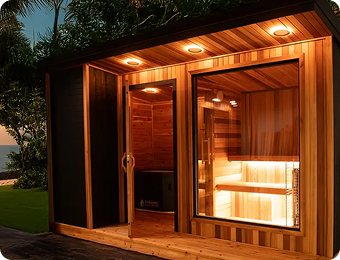
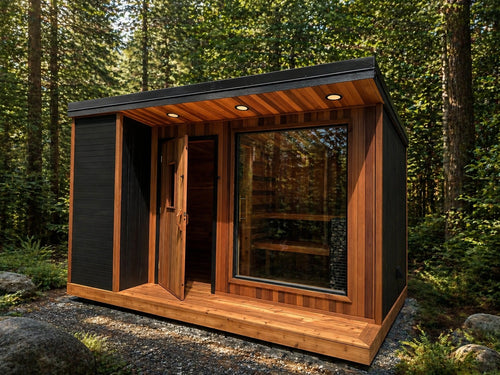
Saunas can be paired with a cold plunge option as an add-on at a discounted package price when purchased together. If you’re already planning to buy a sauna, adding a cold plunge from the start makes it easier to build a complete contrast therapy routine. Shop saunas and cold plunges at NW Immersion today!
What Is Contrast Therapy?
Contrast therapy is the practice of alternating between heat exposure and cold exposure. The most common version uses a sauna followed by a cold plunge, though some people use hot and cold baths or showers.
The idea is to create a controlled temperature contrast. Heat encourages the body to warm up, sweat, and relax. Cold creates a faster, sharper response as the body works to preserve warmth. That shift between hot and cold is what gives contrast therapy its distinct recovery feel.
A simple home routine might look like this:
-
10 to 15 minutes in a sauna
-
30 seconds to 2 minutes in a cold plunge
-
5 to 10 minutes of rest
-
One to three rounds, depending on comfort and experience
For homeowners already planning a sauna, adding the cold side from the start can make the space more useful. NW Immersion saunas can be paired with a cold plunge option at a discounted package price, so the full heat-and-cold routine can be built into the setup without making the purchase feel pieced together later.
10 Main Contrast Therapy Benefits
The benefits of contrast therapy are mainly tied to recovery, circulation, soreness relief, relaxation, and mental reset. The key is not chasing the harshest possible heat or cold. The real value comes from using both in a way the body can tolerate and repeat.
1. Reduce post-workout muscle soreness
Contrast therapy is frequently used after exercise because it may help reduce the heavy, tender feeling that can show up hours or days after training. Cold exposure can temporarily reduce perceived soreness, while heat can help stiff muscles feel looser and more comfortable.
This can be especially useful for runners, lifters, cyclists, hikers, and anyone who trains hard enough to feel it the next day.
One important caveat: people focused heavily on muscle growth may want to avoid cold plunging immediately after strength training, since frequent cold immersion right after lifting may interfere with some training adaptations.
2. Support healthy circulation responses
Heat and cold affect blood vessels in opposite ways. Heat generally encourages blood vessels near the skin to widen, while cold encourages them to narrow. Moving between the two creates a vascular response that many people describe as invigorating.
That does not mean contrast therapy “detoxes” the body or fixes circulation problems. A better way to frame it: contrast therapy exposes the body to controlled temperature changes that may support normal circulation responses as part of a broader wellness routine.
3. Reduce temporary stiffness and discomfort
Heat has long been used to make stiff areas feel more relaxed. Cold can temporarily numb discomfort and make sore spots feel less irritated. Contrast therapy combines both effects in one routine.
This may help after long workdays, yard work, long drives, travel, or workouts that leave the body feeling rigid. It should not be treated as a cure for injuries or chronic pain, but for everyday stiffness, the heat-and-cold sequence can feel like giving the body a better exit ramp.
4. Make recovery feel more structured
One underrated benefit of contrast therapy is that it gives recovery a clear sequence: Sauna, cold plunge, rest.
That rhythm can be easier to follow than vague advice to “recover better,” which usually collapses into sitting on the couch while pretending hydration is happening.
A home setup makes that structure easier to maintain. When the cold plunge and sauna are already nearby, recovery becomes less of an errand and more of a routine. That convenience matters because consistency beats intensity.
5. Improve perceived fatigue after exercise
Hot-cold therapy may help people feel less physically heavy after demanding activity. Cold exposure can feel energizing, while sauna use can help the body downshift after exertion.
The combination can be useful when the goal is to feel refreshed as opposed to completely sedated. After a hard training session, hike, or long day on your feet, this form of therapy can create a cleaner transition between effort and rest.
6. Support relaxation after stress-heavy days
The sauna portion of contrast therapy gives the body a quieter place to land. Heat encourages slower breathing, stillness, and physical ease, which can be hard to access after a day spent bouncing between work, errands, training, and screens.
The cold plunge adds a different kind of reset. It is sharper and more immediate. For some people, that brief cold exposure helps clear the mental noise that follows them home.
Together, the routine creates a clean boundary between the day’s demands and the body’s recovery time.
7. Improve mood and mental clarity
Cold exposure often feels mentally clarifying because it forces attention into the present moment. The first seconds in a cold plunge are not exactly poetic. They are direct, bracing, and impossible to ignore. That is part of the appeal.
Heat can support the other side of the mood equation. A sauna session can feel calming when it becomes part of an evening or post-workout routine. For many people, the contrast between calm heat and sharp cold leaves them feeling more awake and more settled (or simply less foggy).
8. Help build tolerance and body awareness
Hot-and-cold therapy works best when people learn to read their own limits. Heat and cold both create strong body signals, so the routine naturally asks you to pay attention to breathing, comfort, dizziness, fatigue, and temperature tolerance.
That body awareness is useful. A good contrast routine should not feel like a punishment ritual invented by a villain with a wellness podcast. It should feel challenging at moments, but controlled. The goal is to build a routine you can repeat safely, not prove you can survive the harshest possible version of it.
9. Support sleep preparation when timed properly
Heat exposure may help some people wind down in the evening, notably when the sauna session is followed by a slower cooldown period. The body has a chance to relax, sweat, breathe, and transition out of the pace of the day.
Cold exposure is more individual.
Some people feel refreshed and calm after a cold plunge, while others feel too alert if they use it close to bedtime. If sleep is the goal, it may be better to do contrast therapy earlier in the day or finish with enough time for the body to settle before bed.
10. Make a home recovery setup more complete
A sauna and cold plunge serve different purposes, which is exactly why they pair so well. The sauna brings heat, comfort, sweat, and stillness. The cold plunge brings contrast, alertness, and that unmistakable “I am awake now” feeling.
6 Tips on How to Do Contrast Therapy Safely at Home

A safe contrast therapy routine should start short, use manageable temperatures, include rest, and stop before discomfort turns into warning signs. Heat and cold can both be beneficial, but they deserve respect.
1. Start with a simple beginner routine
Beginners should start with a modest routine instead of copying extreme protocols online. The body needs time to learn both heat and cold exposure.
A simple starting point can look like this:
-
Sauna: 8 to 12 minutes
-
Cold plunge: 30 seconds to 2 minutes
-
Rest: 5 to 10 minutes
-
Rounds: 1 to 3, depending on comfort
Shorter sessions are completely fine. A routine you can repeat safely is better than one dramatic session that leaves you lightheaded and suspicious of your own decisions.
2. Keep the cold plunge tolerable
The cold plunge should feel bracing and not reckless. You should still be able to breathe with control, stay aware of your body, and exit safely when the time is up.
For beginners, milder water temperatures and shorter plunges are usually the better place to start. Colder water can be introduced gradually as tolerance improves.
3. Rest between rounds
Rest is part of contrast therapy. It gives your body time to stabilize after the heat and cold exposure, especially if you are doing multiple rounds.
Sit down, breathe normally, and give yourself a few minutes before deciding whether to continue. Rushing from one extreme to the next can make the routine feel harder than it needs to be.
4. Hydrate before and after
Sauna use can make you sweat more than you realize, especially if you are doing multiple rounds. Drink water before and after the session and pay attention to how you feel during the rest periods.
Electrolytes may also help if you sweat heavily, use the sauna after exercise, or tend to feel depleted after heat exposure. The goal is simple: do not enter the cold plunge already dehydrated and expect your body to applaud the decision.
5. Stop if something feels wrong
Contrast therapy should feel controlled. It can feel intense during the cold phase, but it should not feel unsafe.
STOP the session if you notice:
-
Dizziness or faintness
-
Chest discomfort
-
Nausea
-
Numbness that feels unusual or concerning
-
Confusion
-
Unusual shortness of breath
-
A strong feeling that you need to get out immediately
Extra emphasis on the last point. Sometimes the body gives a clearer answer than any protocol can.
6. Talk to a professional if you have health concerns
People with heart conditions, blood pressure concerns, circulatory issues, pregnancy, fainting history, or serious chronic illness should speak with a healthcare professional before starting contrast therapy.
The same applies if you take medications that affect heart rate, blood pressure, temperature regulation, or dizziness.
Heat and cold are powerful inputs. For most healthy adults, they can be used safely with care. For some people, they need a medical green light first.
Who Benefits Most From Contrast Therapy?
Contrast therapy is best suited for people who want a repeatable recovery routine for exercise, stress, soreness, circulation support, and general home wellness.
It is not only for elite athletes. Plenty of regular homeowners use it because it gives the body a clear place to recover.
Athletes and active adults

Photo by RUN 4 FFWPU / Pexels
Runners, lifters, cyclists, hikers, and recreational athletes benefit from contrast therapy because it gives them a structured way to manage soreness and perceived fatigue. It can fit well after cardio-heavy sessions, long outdoor days, or general training blocks where the body needs more intentional recovery.
It should still work alongside the basics: sleep, hydration, nutrition, mobility, and rest. Contrast therapy can help support recovery, but it cannot outsmart bad sleep and a heroic diet of coffee crumbs.
Homeowners building a recovery space
Contrast therapy makes sense for homeowners who want their sauna to feel like part of a complete wellness space. A sauna alone can be excellent for heat, relaxation, and quiet. Add a cold plunge and the space becomes more versatile for recovery and contrast work.
This is where planning both together helps. NW Immersion builds saunas for homes, garages, backyards, and dedicated recovery spaces, and most sauna models can be paired with a cold plunge add-on at a discounted package price.
That way, the setup feels intentional from the start instead of something added later after three months of “we should really get a plunge!”
People with physically demanding workdays
Contrast therapy may also help people who spend their days on their feet or doing physical work. Tradespeople, healthcare workers, warehouse workers, service workers, and outdoor laborers, among others, carry fatigue differently than someone who only feels tired behind a desk.
A sauna and cold plunge routine can create a real stopping point at the end of the day. Heat helps the body loosen up, whereas cold can make the reset feel cleaner and more immediate. The routine becomes a way to tell the body that the workday is over.
People who want a screen-free reset
One of the quieter benefits of contrast therapy is that it is hard to multitask through it. The sauna asks you to slow down. The cold plunge asks you to pay attention. Neither is improved by doomscrolling beside a wet towel.
For people who want a short, physical ritual that pulls them out of work mode, contrast therapy can be surprisingly effective. The appeal is not tied to physical recovery only. It is the rare chance to let the body occupy the whole room.
When Should You Avoid or Modify Contrast Therapy?
Contrast therapy is not ideal for everyone. Even healthy users should adjust the routine based on experience, training goals, and how they feel that day.
A safe routine should be flexible enough to change when your body gives you new information.
Avoid extreme heat or cold if you are new
Beginners should start moderate. The goal is not to recreate the most punishing protocol on the internet. Shorter sauna sessions and brief cold plunges are enough to learn how your body responds.
Intensity can be adjusted later. Consistency matters more than turning your first session into a folk tale.
Be careful after heavy strength training
Cold immersion immediately after heavy lifting may not be ideal for people prioritizing muscle growth. Some research suggests frequent cold exposure right after strength work may interfere with certain adaptation signals.
That does not mean you need to avoid cold plunging altogether. You can use contrast therapy on rest days, after cardio, several hours after lifting, or during phases where soreness relief and general recovery matter more than maximizing hypertrophy.
Skip the session if you feel unwell
Some days are simply not contrast therapy days.
Skip the routine if you have a fever, feel sick, are dehydrated, have been drinking alcohol, feel unusually lightheaded, or are already severely exhausted.
Heat and cold both ask something from the body. If the body is already waving a tiny white flag, LISTEN.
Closing Thoughts: Bring the Heat, Keep the Chill.
Contrast therapy can be worth adding to your home wellness routine if you want a practical way to combine recovery, relaxation, and cold exposure. The benefits of contrast therapy are strongest when the routine is safe, consistent, and built around what you can actually repeat.
NW Immersion builds saunas and cold plunge setups for homeowners who want that recovery ritual close by instead of tucked behind a gym membership or spa appointment.
Most of our sauna models can be paired with a cold plunge option at a discounted package price, making it easier to plan the full contrast therapy experience from the beginning.
Reach out to NW Immersion to talk through your space, your routine, and the kind of heat-and-cold setup that would actually fit the way you live.
***
Sources / For further reading:
-
Cold-Water Immersion (Cryotherapy) for Preventing and Treating Muscle Soreness After Exercise
-
Effects of Cold Water Immersion and Contrast Water Therapy for Recovery From Team Sport


