










GLP-1 Fatigue, Muscle Loss, and Recovery: Wellness Habits That May Help
GLP-1 medications have changed the way many people approach weight management, but the conversation frequently moves beyond the number on the scale. As appetite changes, people may start noticing other questions come up:
Why do I feel tired? Am I eating enough protein? How do I keep my strength? What should recovery look like now?
Fatigue can happen for different reasons. Some people feel lower energy while adjusting to medication while others may be eating less, drinking less, sleeping poorly, or unintentionally under-fueling the body they still expect to move, work, or train.
This article looks at practical wellness habits that may help support energy, recovery, and muscle maintenance while using GLP-1 medications. We’ll start with the basics, then discuss where tools like sauna routines may fit into a broader recovery-focused lifestyle.
What Are GLP-1 Medications?

GLP-1 medications are drugs that mimic or act on glucagon-like peptide-1, a hormone involved in appetite, digestion, and blood sugar regulation. They are often described as GLP-1 receptor agonists and may be prescribed for type 2 diabetes, chronic weight management, or related metabolic health needs.
Common GLP-1 medications include semaglutide brands such as Ozempic, Wegovy, and Rybelsus, as well as tirzepatide brands such as Mounjaro and Zepbound. These medications can help some people feel full sooner, eat less, and improve blood sugar response, but they may also come with side effects, including nausea, digestive changes, and fatigue for some users.
Why GLP-1 Users May Feel Tired
Some people feel fatigue from GLP-1 because appetite, digestion, hydration, blood sugar, and daily routines can all shift at the same time. The medication may be part of the story, but lower energy can also come from eating less, drinking less, sleeping poorly, or expecting your body to keep performing without enough support.
Lower appetite can mean lower fuel
GLP-1 can reduce appetite, which is one reason they are used in medical weight management. For many people, that appetite change is helpful. The challenge is that eating less can sometimes become eating too little, especially during the adjustment period or after a dose change.
Your body still needs fuel even when hunger feels quieter than usual. Work, errands, workouts, stress, and family responsibilities still draw from the same energy supply.
That is where fatigue with GLP-1 can creep in. The issue may not be the medication alone; sometimes the body is simply running on less than it needs.
Anyone taking a GLP-1 medication should talk with a healthcare provider or dietitian if eating enough becomes difficult.
Hydration can drop without much warning
When appetite goes down, fluid intake can drop with it. Some people also get less hydration from meals, snacks, soups, fruits, vegetables, and the simple habit of drinking while eating.
Digestive side effects can make this harder. Nausea, fullness, constipation, or an unsettled stomach may make water less appealing. Over time, even mild dehydration can leave someone feeling dull, headachy, weak, or foggy.
A few simple habits can help:
-
Drink water steadily throughout the day.
-
Pay attention to fluids after workouts, sauna use, or heavy sweating.
-
Consider electrolytes when appropriate, especially if recommended by a healthcare professional.
-
Contact a clinician if dehydration symptoms become persistent or severe.
Hydration is one of the first places to look when energy starts feeling unusually low.
Digestive changes can disrupt normal routines
GLP-1 medications affect digestion. For some people, that can mean feeling full sooner, staying full longer, or dealing with nausea, constipation, diarrhea, or general stomach discomfort.
Those changes can ripple through the day. A smaller breakfast may turn into a skipped lunch. Nausea may push a workout later until it disappears from the schedule. Bloating or constipation can make movement feel less appealing.
That is one reason fatigue can feel confusing. It may show up through a series of small disruptions: less food, less water, less movement, poorer sleep, and less predictable energy.
Blood sugar changes may play a role for some people
GLP-1 medications can affect blood sugar response, which is relevant for people taking them for diabetes or using them with other medications that influence glucose levels.
For some users, unusual tiredness may be connected to blood sugar changes, meal timing, medication combinations, or not eating enough. This is not something to guess your way through, especially if symptoms feel sudden or intense.
Shakiness, dizziness, sweating, confusion, unusual weakness, or feeling faint should be taken seriously. Anyone experiencing those symptoms should contact a healthcare professional, particularly if they have diabetes or take other blood sugar-lowering medication.
Fatigue deserves attention if it lingers
Some people may feel tired while adjusting to a GLP-1 medication. Still, ongoing fatigue should not be brushed aside as the unavoidable cost of weight loss.
If fatigue worsens, interferes with daily life, or comes with dizziness, vomiting, dehydration, fainting, confusion, or trouble eating enough, it is time to reach out for medical guidance.
This is especially important after a dose change or when fatigue appears alongside digestive symptoms. A clinician may need to review dosage, meal timing, hydration, other medications, or underlying health factors.
Weight loss should not require dragging yourself through the day like a phone stuck at 4%. If your energy feels unusually low, treat it as something worth investigating rather than something to endure quietly.
The Best Support for GLP-1 Energy Starts With Daily Habits
The most reliable way to support energy while using GLP-1 medications is to protect the basics first: fluids, protein, enough food, sleep, and movement.
Wellness tools can help create a stronger recovery routine, but they work best when the foundation is already being cared for.
Prioritize protein without turning meals into math
Protein becomes especially important during weight loss because it helps support muscle repair, strength, and lean mass maintenance. When appetite drops, protein can be one of the first things to slip without much notice.
That does not mean every meal needs to become a spreadsheet. A better first step is to notice whether protein is showing up consistently across your day through foods that fit your diet, preferences, and medical needs.
The exact amount should come from a qualified professional who understands your body, goals, and health history. Appetite suppression can make eating feel optional. Muscle maintenance still requires raw materials.
Keep strength training in the plan
Resistance training is one of the strongest habits for supporting muscle during weight loss. Protein matters, but the body also needs a reason to hold on to strength.
That reason comes through use. Muscles respond to being challenged, even in simple ways. A person does not need to train like a competitive athlete to benefit from resistance work. The goal is to keep the body active against some form of load.
That can include:
-
Bodyweight exercises
-
Resistance bands
-
Dumbbells
-
Weight machines
-
Trainer-guided strength programs
The right option depends on the person’s fitness level, medical background, and comfort with exercise. Someone new to strength training may need guidance at first, especially if they are also adjusting to lower food intake or changes in energy.
Do not let recovery replace training
Recovery can be easy to romanticize. The sauna feels good. A cold plunge feels intense enough to count as an achievement. But recovery tools do not create the same muscle-building or muscle-preserving signal as resistance training.
That distinction matters for GLP-1 users who are worried about muscle loss. A recovery routine can help someone stay consistent, relax after exercise, or make wellness feel more repeatable at home, but the body still needs movement, protein, and enough fuel.
Think of recovery as the room where adaptation happens. Training is what gives the body something to adapt to.
Sleep is the quiet engine behind energy
Sleep does an enormous amount of recovery work behind the curtain. Poor sleep can make fatigue feel sharper and affect stress, training motivation, mood, hunger cues, and post-workout recovery.
This does not mean every GLP-1 user needs a perfect bedtime ritual with twelve steps and moonlit herbal tea. It means sleep should be treated as part of the recovery plan, not an afterthought.
A realistic routine might be as simple as setting a consistent bedtime, limiting late caffeine, or using sauna earlier in the evening if heat helps you relax.
Build a routine that can survive low-energy days
A good routine should work on ordinary days, not only on your best ones. Extreme fatigue on GLP 1, digestive symptoms, or lower appetite can make energy less predictable, especially during the adjustment period.
A better approach is to create two versions of the same routine: the full version and the low-energy version. A full routine might include strength training, hydration, a protein-rich meal, and a sauna session. A low-energy version might be a short walk, fluids, a simple protein option, gentle stretching, and an earlier bedtime.
Where Sauna, Red Light Therapy, and Cold Plunge Fit Into Recovery

Saunas, red light therapy, and cold plunges can fit into a recovery-focused lifestyle, but they should be treated as supportive wellness tools. They may help people create a more consistent routine, relax after training, or feel more refreshed, but they are not treatments for GLP-1 fatigue or shortcuts for muscle retention.
Sauna may support relaxation and recovery routines
Sauna use has a long history in wellness, athletic recovery, and relaxation routines. For people taking GLP-1 medications, the most sensible way to think about sauna is not as a solution for fatigue, but as a tool that may help make recovery feel more intentional.
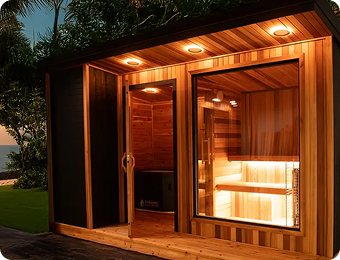
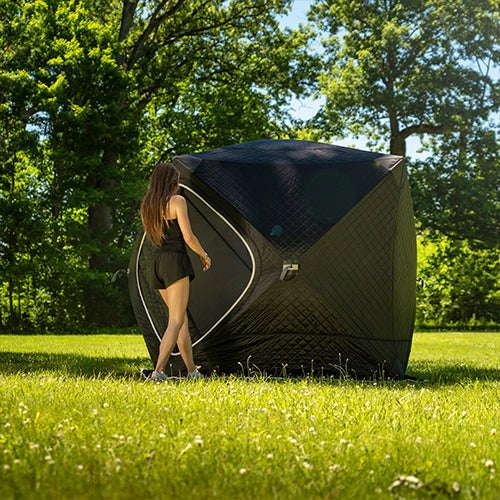
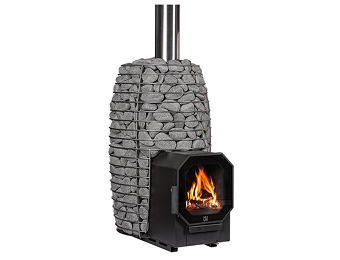
A sauna session can create a clear pause in the day, especially after a workout or during an evening wind-down. Infrared saunas may appeal to people building compact indoor wellness spaces, while traditional or outdoor saunas may suit those who want a classic heat experience.
Sauna use makes hydration even more important
Sauna and hydration need to be discussed together, especially in an article about GLP-1 fatigue. If someone is already eating less, drinking less, or dealing with nausea, sweating in a sauna can make hydration even more important.
A sauna session should not be treated as a test of toughness. If you feel dizzy, weak, nauseated, overheated, or unusually unwell, stop and reassess.
People with heart conditions, blood pressure concerns, pregnancy, fainting episodes, or other medical issues should ask a healthcare professional before using sauna. The same goes for anyone unsure how heat exposure fits with their medication, hydration status, or current health.
Red light therapy belongs in the supportive tool category
Red light therapy has become popular in home wellness spaces because it is relatively easy to add to a routine. It does not require a full workout, a soaked towel, or a major block of time, which can make it appealing on lower-energy days.
Still, the language around it should stay careful. Red light therapy should not be presented as a cure for fatigue, a treatment for GLP-1 side effects, or a replacement for nutrition, sleep, hydration, or strength training.
A more grounded way to use it is as part of a recovery environment. Someone might use a red light panel during a morning routine, while stretching, after a workout, or as part of an evening wind-down.
Cold plunges may help some people feel mentally refreshed
Cold plunges have become popular with athletes, fitness enthusiasts, and homeowners building recovery spaces. For some people, the appeal is simple: cold water creates a sharp reset that can feel clarifying and energizing.
That does not mean cold plunging is the answer to GLP-1 fatigue. It should not be used to push through poor nutrition, dehydration, dizziness, or ongoing exhaustion.
Cold exposure should be approached with caution, especially for people with heart conditions, blood pressure concerns, pregnancy, fainting episodes, cold sensitivity, or other medical issues. When unsure, ask a healthcare professional before making cold plunging part of your routine.
Contrast therapy can make recovery feel more intentional
Pairing sauna and cold plunge creates a simple rhythm: heat, cold, rest, hydrate. Many people like that structure because it turns recovery into something deliberate.
The benefit here is not magic. It is ritual, consistency, and awareness. A contrast routine gives you a reason to slow down, check in with your body, and create a clear boundary between training, stress, and recovery.
For a home wellness space, contrast therapy can also make the setup feel more complete. A sauna creates heat, a cold plunge creates the cold exposure, and red light therapy or mobility work can sit around that routine depending on your goals and space.
How to Build a GLP-1-Friendly Home Recovery Routine
A GLP-1-friendly recovery routine should be simple, repeatable, and honest about your energy. The point is not to stack every wellness tool into one exhausting ritual. The point is to support hydration, movement, strength, and rest in a way you can actually keep doing.
Start with your non-negotiables
Before adding sauna sessions, cold plunges, or red light therapy, start with the habits that carry the most weight. These are the pieces that help protect energy and recovery at the source.
A practical routine should make room for:
-
Medical guidance from your healthcare provider
-
Enough food and protein for your needs
-
Consistent hydration
-
Strength training or appropriate resistance work
-
Sleep and rest days
These are not glamorous, but they are the base layer. Wellness tools can support that layer. They should not be asked to replace it.
Add sauna sessions around workouts or rest days
Sauna use tends to fit best when it has a clear place in the week. Some people prefer it after strength training. Others use it after a walk, during an evening wind-down, or on rest days when they want a quiet recovery ritual.
For GLP-1 users, the main consideration is how the sauna feels in your body. If you are hydrated, eating enough, and feeling steady, a sauna session may fit comfortably into your routine. If you feel dizzy, weak, nauseated, or unusually depleted, pause and reassess.
A home sauna can make the routine easier because it removes the extra step of driving somewhere for recovery. That matters when consistency is the goal.
Use red light therapy when consistency matters
Red light therapy can be useful for people who want a low-friction recovery habit. It does not require the same setup as sauna or cold plunge, which can make it easier to use on days when energy is lower.
It may fit into a morning routine, a mobility session, a post-workout cooldown, or an evening wind-down. The habit does not need to be dramatic to be useful. Sometimes the best recovery tool is the one you will use regularly without negotiating with yourself for twenty minutes first.
For home wellness rooms, red light therapy also pairs easily with strength equipment, stretching areas, saunas, and cold plunges. It can support the overall rhythm of the space without dominating it.
Keep cold plunge sessions conservative
Cold exposure is one place where more intensity is not always better. A cold plunge should not feel like a punishment, and it should never be used to override warning signs from your body.
A conservative approach is smarter:
-
Start gradually.
-
Keep sessions controlled.
-
Stop if you feel unwell.
-
Warm up safely afterward.
-
Ask a clinician first if you have medical concerns.
This matters even more if you are dealing with fatigue, lower food intake, or hydration issues. Cold plunging can feel energizing, but it still places stress on the body. Respect that stress.
Match the setup to the space you actually have
A home recovery space does not need to be enormous to be useful. It needs to fit your routine.
A garage gym might work well with a compact infrared sauna and a red light panel. A backyard could make room for an outdoor sauna and cold plunge. A larger wellness room might combine strength equipment, red light therapy, sauna, cold plunge, and wellness accessories in one place.
The best setup is the one that removes friction. If the equipment fits naturally into your space and your schedule, you are more likely to use it when motivation dips.
Make the routine easier than your excuses
Every wellness routine eventually meets real life. Busy days. Low-energy mornings. Weird schedules. Appointments. Family needs. A body that does not feel the same every day.
That is why the routine should be easy to restart. If you miss a session, you should be able to return without turning it into a dramatic personal referendum.
Keep the plan simple enough to survive an ordinary week. Strength training, hydration, food, sleep, and recovery tools can all work together, but they do not need to happen in a perfect sequence every single time. Consistency is built through return, not perfection.
What to Avoid When Managing GLP-1 Fatigue and Recovery
GLP-1 fatigue should not be answered with more intensity for intensity’s sake. If your energy is low, the smarter move is to protect the basics, avoid overdoing recovery tools, and pay attention to symptoms that need medical guidance.
Do not use wellness tools to compensate for under-eating
Sauna, cold plunge, and red light therapy cannot make up for consistently inadequate nutrition. If your body feels depleted because you are not eating enough, more recovery tools will not solve the real problem.
This is especially important for people whose appetite has dropped sharply. Eating may feel less urgent, but your body still needs enough fuel to function, train, recover, and maintain strength.
A better move is to look at the pattern. Are you getting enough protein? Are meals becoming too small too often? Are you skipping food because you feel full, then wondering why you feel wiped out later?
That is a conversation worth having with a healthcare provider or dietitian. Wellness tools can support a routine, but they cannot replace the nutrition that routine depends on.
Do not skip strength training because the scale is moving
Weight loss can feel motivating, especially when progress has been difficult in the past. Still, the scale is only one measurement. Strength, mobility, energy, and daily function matter too.
If strength training disappears from the week, the body loses one of its clearest signals to preserve muscle. That does not mean every person needs an intense gym plan. It does mean resistance work deserves a regular place in the routine, even if the routine starts small.
For some people, that might be two short sessions a week. For others, it might be working with a trainer, using resistance bands at home, or adding simple bodyweight movements after a walk.
Do not push sauna or cold plunge when you feel off
Sauna and cold plunge routines should make you feel supported, not steamrolled.
If you feel dizzy, nauseated, weak, dehydrated, unusually cold, overheated, or faint, pause the session. The body is already giving you useful information. Ignoring it does not make the routine more effective.
This is especially true for people adjusting to GLP-1 medications, because appetite, hydration, digestion, and energy may be less predictable for a while.
Heat and cold exposure both place stress on the body. That stress can be part of a wellness routine for some people, but it still needs to be respected. Recovery should leave you steadier than when you started.
Do not chase every wellness trend at once
A person starting or adjusting a GLP-1 medication may already be dealing with enough change: appetite shifts, side effects, meal adjustments, new exercise goals, new medical check-ins, and a different relationship with hunger.
Adding five new wellness habits at the same time can turn a good intention into another source of pressure.
Start with the habit that solves the most obvious problem. If energy is low, look at food, hydration, sleep, and medical guidance first. If workouts are inconsistent, make strength training easier to repeat. If recovery feels rushed, add one tool or ritual that helps you slow down.
Do not ignore symptoms that feel unusual
Fatigue is common enough to talk about, but that does not mean every version of fatigue is harmless.
Reach out to a healthcare professional if low energy is severe, persistent, or paired with symptoms like dizziness, fainting, confusion, ongoing vomiting, trouble eating, signs of dehydration, or unusual weakness. The same applies if symptoms appear after a dose change or alongside other medications.
The safest recovery routine is one that leaves room for common sense. If something feels wrong, do not try to sauna, plunge, or supplement your way past it.
Explore Wellness & Recovery Products at NW Immersion
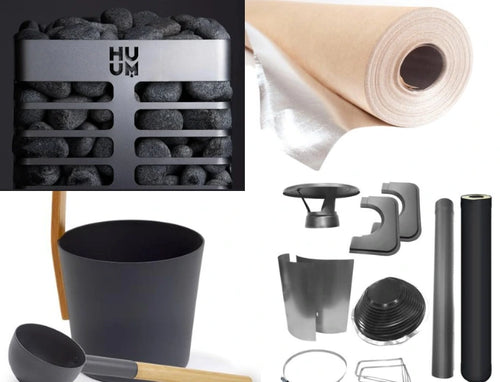
NW Immersion helps homeowners create recovery-focused spaces with saunas, cold plunges, red light therapy, and wellness accessories designed for real daily use.
If you are building a home wellness routine around energy, strength, and recovery, explore our collections or contact us to talk through the setup that best fits your space.
Shop:
Top sources for further reading:
-
Nutritional Priorities to Support GLP-1 Therapy for Obesity - The Obesity Society
-
Fundamental Body Composition Principles Provide Context for Fat-Free and Skeletal Muscle Loss With GLP-1 RA Treatments - Endocrine Society
-
Consuming More Protein May Protect Patients Taking Anti-Obesity Drug From Muscle Loss - Endocrine Society
-
Why Exercise Is Important While Taking GLP-1s - Cleveland Clinic
-
GLP-1 Medications and Muscle Loss: What to Know - Mayo Clinic


