









Ultimate Guide to the Sauna and Cold Plunge Combo
If you have ever spent time in a hot sauna only to follow it up with a quick dip in a cold pool, you have already experienced the shock-to-the-system that makes contrast therapy so famous. It’s a way to get your heart pumping and your mind clear without leaving your home.
Moving between high heat and a sudden chill essentially gives your body a deep internal massage that flushes out soreness and settles your nerves in a way that heat or cold alone simply cannot do.
In this blog, we’ll talk about how a sauna and cold plunge combo works to keep you feeling your best and why this simple back-and-forth routine is becoming a must-have for any home wellness space.
Research-Supported Health Benefits of Sauna and Cold Plunge Combo
Stepping into a sauna and then immediately into a cold tub kicks your body into a high-gear recovery mode that helps you feel better physically and mentally. This back-and-forth between hot and cold teaches your body how to handle stress, improves your circulation, and leaves you with a level of energy that stays with you all day.
Top sauna and cold plunge combo benefits include the following:
1. Improved circulation and heart health
The heat from a sauna makes your blood vessels expand, pushing oxygen-rich blood toward your skin, while the cold plunge tub causes them to tighten instantly, sending that blood deep toward your organs.
This pumping effect acts like a workout for your vascular system. It helps your heart work more efficiently and improves overall blood flow. Over time, this rhythm supports long-term heart health and helps your body regulate blood pressure more effectively.
2. Faster muscle recovery for active lifestyles
If you exercise regularly, a sauna + cold plunge is one of the best ways to bounce back from a tough workout. The heat therapy relaxes tight muscles and eases tension, while the cold water limits inflammation and reduces the muscle soreness you typically feel the next day. Many people find that this ritual makes the difference between feeling stiff and being ready to move again.
3. Natural mood boost and mental clarity
The sudden change in temperature triggers your brain to release a rush of feel-good chemicals like endorphins and dopamine. This surge provides an immediate lift in your mood and helps clear away "brain fog," leaving you feeling focused and calm. It is a powerful way to reset your mind after a stressful day or to start your morning with a sharp, energized outlook.
4. Better sleep and stress relief
Using a sauna and cold therapy combo in the evening helps your body prepare for a deep, restorative sleep. The cooling process after the plunge signals to your nervous system that it is time to wind down, making it easier to fall asleep and stay asleep.
Beyond just sleep, this practice trains your body to stay calm under pressure and helps you feel less reactive to the everyday stresses of work and life.
ALSO READ: Sauna for Sleep: Can Sauna Help You Sleep Better?
5. Healthier skin and immune support
Alternating between heat and cold encourages your body to flush out waste through the lymphatic system, which can help strengthen your immune response. This process also brings fresh oxygen and nutrients to the surface of your skin, resulting in a clearer, more radiant complexion.
Regular users notice they feel less bloated and experience fewer seasonal colds because their body is better at detoxifying.
Essential Protocols for Contrast Therapy Sessions
To get the most out of your setup, it’s ideal to follow a structured routine that respects your current tolerance levels. While the goal is to challenge the body, the practice should remain within the bounds of safety to prevent overtaxing your cardiovascular system.
The standard recovery round
A typical sauna session involves spending 15 to 20 minutes to thoroughly warm the core, followed immediately by 2 to 3 minutes in the cold plunge.
Beginners should start with shorter durations in the cold—perhaps only sixty seconds—at a more moderate temperature of 55°F. You can repeat this cycle 2-3x, but you must pay close attention to signs of lightheadedness or excessive shivering.
Timing your sessions for optimal sleep
If your primary goal is to improve sleep quality, the timing of your combo matters big time. Using the sauna and cold plunge in the evening can help signal to your brain that it is time to rest. The cold immersion causes a natural drop in core body temperature afterward, which is a key biological trigger for falling asleep faster and reaching deeper stages of REM sleep.
Ending on the correct temperature
There is often debate about whether to end on hot or cold. For most recovery and alertness goals, ending on the cold plunge is recommended. Finishing with cold seals the pores, leaves the nervous system in an energized yet calm state, and prevents the sauna fatigue that can sometimes follow a heat-only session.
If you are using the tools primarily for muscle relaxation before bed, a final brief rinse in warm water may be preferred, but the metabolic benefits are generally higher when ending on cold.
Cold Plunge and Sauna Integration into the Modern Household
Establishing a consistent wellness sanctuary necessitates a thoughtful approach to space, timing, and environmental control. When these tools are positioned correctly, the transition between states becomes effortless.
Consider placement for a seamless flow
A successful layout minimizes the dead space between the sauna door and the water’s edge to keep the heart rate in the desired zone during the transition. If the distance is too great, the body begins to re-regulate its temperature prematurely, which can dull the intensity of the vasoconstriction response.
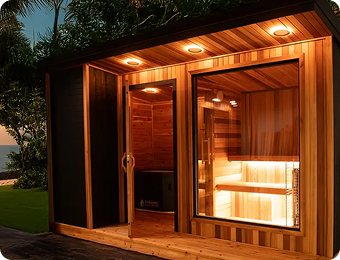
Most efficient home designs place the cold plunge within three to five feet of the sauna, using a durable outdoor rug or cedar duckboards to provide a slip-resistant path that handles the inevitable water runoff.
Balance session frequency with systemic recovery
Daily use of an outdoor sauna and cold plunge combo is manageable for many, but most clinical observations suggest that four to five sessions per week provide the optimal balance of adaptation and rest.
Overloading the nervous system with extreme temperature shifts every single day can occasionally lead to adrenal fatigue if the user is also balancing high-intensity athletic training.
Listening to subtle biofeedback cues, such as resting heart rate or sleep quality, helps determine if the frequency needs to be adjusted based on current life stressors.
Manage moisture and air quality in indoor settings
Traditional saunas generate significant ambient humidity that must be managed to protect the structural integrity of your home. Proper ventilation involves an intake vent placed low to the ground and an exhaust vent positioned high on an opposite wall to encourage a natural convection current.
When these units are installed in garages or basements, adding a dedicated exhaust fan or a high-capacity dehumidifier ensures that the air remains fresh and the surrounding drywall stays dry.
Customize the experience with sensory additions
The ritual is enhanced when the environment matches the intended mental state. Many modern builds incorporate the following to deepen the immersion:
-
Chromotherapy lighting: Using red or amber tones in the sauna to promote relaxation and blue or green tones in the plunge area to enhance alertness.
-
Acoustic integration: Installing hidden, heat-resistant speakers to play binaural beats or nature soundscapes, which can help lower cortisol levels during the heat phase.
-
Aromatherapy: Using high-quality eucalyptus or birch oils on sauna stones to clear the respiratory paths and sharpen the senses.
Maintain the dual-system environment
Keeping the water in the cold plunge crystal clear and the sauna cedar pristine requires a simple but disciplined upkeep routine. Modern plunge systems utilize ozone sanitation and 20-micron filtration to handle the skin cells and oils released during the sweat phase, but the water should still be tested weekly for pH balance.
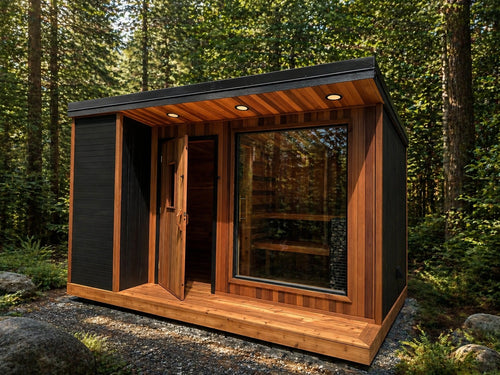
Wiping down sauna benches after every use and leaving the door ajar for an hour ensures the wood dries completely and prevents any long-term moisture issues or staining.
Elevate Your Daily Routine With NW Immersion
A home sauna and cold plunge bundle is a practical tool for anyone looking to simplify their wellness and recovery. Investing in these tools means investing in a lifestyle of consistent energy, deeper sleep, and faster healing. Browse our shop for the best sauna and cold plunge combo for sale or contact NW Immersion Co. today for a custom quotation on your home sanctuary project.
FAQs: Cold Plunge and Sauna Combo
Can you cold plunge and sauna together?
Combining these two modalities is a centuries-old practice known as contrast water therapy, which leverages extreme temperature shifts to enhance physical and mental recovery. Modern wellness engineering makes it possible to pair these systems in a single home environment, allowing you to move seamlessly from the high-intensity heat of a sauna to the restorative chill of a cold plunge.
Are you supposed to sauna or cold plunge first?
Standard protocols generally recommend starting with the sauna to warm the body and open the circulatory system. Beginning with heat allows your muscles to relax and your heart rate to rise gradually, preparing the system for the sudden "shock" of the ice bath. Ending your final round on cold is also preferred as it seals the pores, reduces inflammation, and leaves the body in a state of calm alertness.
How many times should I sauna and cold plunge?
A typical contrast therapy session involves alternating between the two environments for two to three rounds. For consistent results without overtaxing the body, most individuals find that three to five sessions per week provide a sustainable balance of adaptation and recovery. It is essential to listen to your body’s cues; some days may warrant a single round for a gentle reset, while others might call for the full triple-round flow depending on your training volume and stress levels.
How to cold plunge and sauna correctly?
The most effective way to perform this ritual is to spend 10 to 15 minutes in the sauna followed by 2 to 3 minutes in the cold plunge. Focus on deep, controlled breathing during the transition to help your nervous system adapt to the sudden change in temperature. After the final cold round, avoid immediately jumping into a hot tub or shower; instead, let your body rewarm naturally by wrapping in a towel or robe to allow your circulation to stabilize gradually.
What are the risks of sauna and cold plunge?
While highly beneficial, the rapid change in core temperature and blood pressure can be taxing for certain individuals. The primary risks include lightheadedness, thermal shock, or cardiovascular strain if the body is pushed beyond its current limits. Those with pre-existing heart conditions, blood pressure concerns, or respiratory issues should ALWAYS consult a healthcare professional before attempting contrast therapy.
Why do I feel so good after sauna and cold plunge?
The post-plunge glow is a result of a significant surge in norepinephrine, dopamine, and endorphins triggered by the cold shock and subsequent warming. This chemical cocktail sharpens focus, elevates mood, and provides a lasting sense of exhilaration and peace. Additionally, the physical relief of reduced muscle tension and systemic inflammation contributes to a feeling of lightness and mental clarity.
Can you sauna and cold plunge while pregnant?
Extreme temperature changes during pregnancy have not been studied extensively and could potentially affect fetal development or blood flow to the placenta. Most medical professionals advise caution or complete avoidance of high-heat saunas and ice-cold plunges during pregnancy to avoid overheating or circulatory shock. Always discuss your specific wellness routine with your doctor or midwife to ensure the safety of both mother and baby.
Can sauna and cold plunge make you sick?
If used correctly, contrast therapy actually supports immune function by improving lymphatic drainage and circulation. However, if you are already battling an active infection or fever, the added stress of extreme temperatures can overwhelm your immune system and delay recovery. It is best to wait until you have fully recovered from an illness before reintroducing the intense physiological demands of a sauna and cold plunge combo.
Can you sauna and cold plunge everyday?
Daily sessions are safe for many experienced users, provided they maintain proper hydration and do not push for extreme durations every single time. Consistency is the foundation of building long-term resilience, but it is important to balance intensity with rest. If you begin to feel chronically fatigued or notice a decline in sleep quality, it may be a sign that your nervous system needs a break from the daily thermal stress.
Does sauna and cold plunge burn calories?
Yes, both modalities contribute to caloric expenditure through different biological pathways. The sauna increases your heart rate similarly to light exercise, while the cold plunge triggers non-shivering thermogenesis, where the body burns energy to maintain its core temperature. While not a replacement for traditional exercise, the metabolic demand of regulating your temperature twice in one session does lead to a measurable increase in calorie burning.
Does sauna and cold plunge help with weight loss?
Contrast therapy can be a supportive tool for weight management by improving insulin sensitivity and encouraging the development of brown adipose tissue. Brown fat is more metabolically active than white fat and burns calories to produce heat. When paired with a healthy diet and regular movement, the metabolic boost and reduced inflammation from a sauna and cold therapy can help optimize your body composition over time.


