










Indoor vs Outdoor Sauna: Which Is Better?
Neither an indoor nor outdoor sauna is inherently better. Indoor saunas offer convenient year-round access and protection from the elements, while outdoor saunas preserve interior floor space and give you more freedom to create a dedicated sauna area elsewhere on your property.
Both can provide the heat and sauna experience you're looking for. The better choice depends largely on your available space, installation requirements, climate, and how you want sauna sessions to fit into life at home.
Here's how indoor vs outdoor sauna compares where those differences matter most.
Outdoor vs Indoor Sauna: What’s the Difference?
The main difference between an indoor and outdoor sauna is where it's installed and what that location requires. An indoor sauna becomes part of your home's interior, while an outdoor model needs a suitable exterior site and construction designed to handle the conditions outside.
That distinction affects installation, maintenance, access, and how the sauna fits into your property.
| Factor |
Indoor Sauna |
Outdoor Sauna |
|
Space used |
Interior floor space |
Yard, patio, deck, or another suitable exterior area |
|
Weather exposure |
Protected inside the home |
Must be built for outdoor conditions |
|
Everyday access |
Usually more convenient |
Requires going outside |
|
Privacy |
Integrated into the home |
Can provide a separate retreat |
|
Installation |
Interior space, ventilation, electrical, flooring, and moisture considerations |
Site preparation, foundation, utilities, drainage, and weather exposure |
|
Maintenance |
Generally less exterior upkeep |
Exterior requires additional inspection and care |
|
Experience |
Part of the home's wellness space |
More physically separate from the home |
Location and available space
An indoor sauna can work well in a bathroom, basement, home gym, garage, or dedicated wellness room, provided the location can accommodate the model and its installation requirements.
An outdoor sauna moves that footprint outside. This can preserve valuable indoor square footage and may provide more flexibility with sauna size, but you'll need a suitable area in your yard, patio, or other exterior space.
Access and convenience
Indoor saunas have the advantage when convenience is the priority. You can move between the sauna, shower, and the rest of your home without stepping outdoors, which can make frequent use particularly easy.
An outdoor sauna adds a trip outside, but some homeowners actually prefer that separation. Walking out to a dedicated sauna can make each session feel removed from the everyday activity inside the house.
The sauna experience
Indoor saunas tend to feel like an extension of the home, particularly when incorporated into a bathroom, gym, or wellness room. Everything you need can remain close at hand.
Outdoor saunas create a more distinct setting and can make use of a backyard, garden, or surrounding landscape. Neither approach changes the fundamental purpose of sauna bathing, so this part of the decision largely comes down to the experience you prefer.
What to Consider Before Choosing an Indoor or Outdoor Sauna

Choosing between an indoor and outdoor sauna involves more than finding an empty spot large enough for one. The site needs to accommodate the sauna itself as well as the heater, utilities, ventilation, safe clearances, and practical access.
Outdoor installations add weather and site conditions to that equation. Here's what to evaluate before deciding where your sauna belongs.
Available space
Start with the sauna's full dimensions, then account for door clearance, heater clearances, access around the unit, and a comfortable way to enter and exit.
For an outdoor sauna, consider the route between the house and sauna as well. For an indoor model, verify that the room and access points can accommodate delivery or assembly.
Site and foundation
Outdoor saunas need a stable, level base capable of supporting the structure. Depending on the sauna and property, that could involve an appropriate concrete pad, deck, or another foundation system specified for the installation.
Indoor saunas already sit within an existing structure, but the floor still needs to be level, suitable for the sauna environment, and capable of supporting the installed unit.
Ventilation and moisture
Proper ventilation helps circulate air during sauna use and allows the interior to dry afterward. Both indoor and outdoor saunas need ventilation designed for the particular sauna and heater.
Indoor installations require additional attention to the surrounding room because heat and moisture are being introduced inside the house. Materials, flooring, and ventilation around the sauna should be appropriate for that environment.
Power and heater requirements
Electric sauna heaters require a suitable electrical supply sized for the specific heater. Many larger residential heaters use dedicated 240-volt circuits and should be connected according to the manufacturer's requirements and applicable electrical codes.
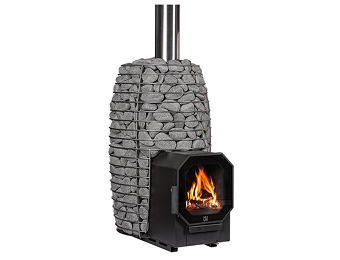
Outdoor placement can increase the amount of electrical work if power needs to be extended across the property. Wood-burning heaters avoid an electric heating element but introduce their own chimney, clearance, combustion-air, and local code requirements.
Weather and climate
Outdoor saunas have to contend with rain, snow, sunlight, wind, and changing temperatures, so exterior construction matters. Roofing, weather-resistant materials, proper drainage, and protection of exposed components all contribute to long-term durability.
Cold climates don't automatically rule out an outdoor sauna. A model designed for exterior use can operate in cold conditions, although outdoor temperature can affect factors such as warm-up time and heat loss.
Local permits and building requirements
Permit requirements vary considerably by location and installation. Electrical work, a new exterior structure, setbacks, foundations, and wood-burning heaters are among the factors that may trigger local approvals or inspections.
Check the requirements of your local building and permitting authorities before installation, particularly for an outdoor sauna or any project involving new electrical or structural work.
Outdoor Sauna vs Indoor Sauna Installation and Maintenance
Both sauna types require proper installation and routine interior care. The main difference is that an outdoor sauna also needs a prepared site and ongoing attention to components exposed to the weather.
Knowing what ownership involves can help you decide which setup fits your property and how much upkeep you're comfortable taking on.
Indoor sauna installation
Indoor installation starts with a suitable room, appropriate flooring, ventilation, and the electrical requirements of your chosen heater. The surrounding space should also be able to handle the heat and moisture associated with regular sauna use.
Delivery matters too. Before ordering a prebuilt or fully assembled sauna, confirm that doorways, hallways, stairs, and other access points provide enough clearance to reach the installation area.
Outdoor sauna installation
An outdoor sauna needs a level, stable base along with suitable access to power or the requirements of a wood-fired heater. Site drainage and weather exposure should also be considered when choosing its final position.
For a fully assembled sauna, plan the delivery route early. Gates, fences, landscaping, overhead obstacles, and access across the property can determine whether the unit can reach the prepared site.
Indoor sauna maintenance
Routine indoor sauna care is relatively straightforward. Let the interior dry thoroughly after use, clean benches and other surfaces according to the manufacturer's instructions, and periodically inspect the heater and sauna stones where applicable.
Because the exterior isn't exposed to weather, indoor models generally require less exterior upkeep than outdoor saunas.
Outdoor sauna maintenance
Outdoor models need the same basic interior care, plus attention to the building exterior. Periodically inspect the roof, exterior wood, seals, drainage, and other exposed components for signs of weather-related wear.
Maintenance needs depend on the sauna materials and local climate. Follow the manufacturer's recommendations for exterior cleaning, treatment, and inspection.
Indoor Sauna vs Outdoor Sauna: Which One Is Right for Your Home?
Choose the sauna location you'll realistically enjoy using and that your property can properly accommodate. Both indoor and outdoor saunas can provide the same fundamental heat-bathing experience, but they fit into the home very differently.
A few practical distinctions can make the choice easier:
-
Choose an indoor sauna if: You value convenient access, have suitable interior space, or want your sauna integrated into a bathroom, basement, garage, home gym, or wellness room.
-
Choose an outdoor sauna if: You want to preserve indoor floor space, have a suitable exterior site, prefer a sauna separate from the house, or have more flexibility outdoors for the size you want.
-
Either can work if: Your preferred location meets the sauna's space, heater, ventilation, and installation requirements. At that point, the decision can come down to how you want sauna use to fit into your home and routine.
Climate alone doesn't have to decide it. Outdoor saunas are built specifically for exterior use, including in cold regions. Your local climate matters because it affects weather protection, maintenance, and heating conditions, but cold weather itself doesn't automatically make an indoor sauna the better choice.
Handcrafted Indoor and Outdoor Saunas From NW Immersion

Once you’ve decided where your sauna will go, the next step is finding a model built for that setting. NW Immersion offers both indoor and outdoor saunas, including our own handcrafted Signature models, so you can compare options based on the space you have available and the kind of setup you want at home.
Garage Luxury Indoor Sauna
The Garage Luxury Indoor Sauna brings NW Immersion’s handcrafted sauna experience indoors. It’s a natural fit for homeowners planning a dedicated sauna in a garage or another suitable interior space, especially when keeping the sauna conveniently connected to the home is the priority.
Silver Star Luxury Outdoor Cedar Sauna
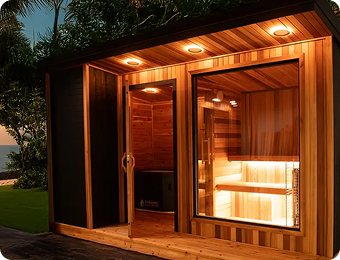
The Silver Star Luxury Outdoor Cedar Sauna is handcrafted for outdoor use, making it an option for homeowners who would rather dedicate part of their yard or other exterior space to sauna bathing than give up room inside the house.
Cold Creek Luxury Outdoor Cedar Sauna
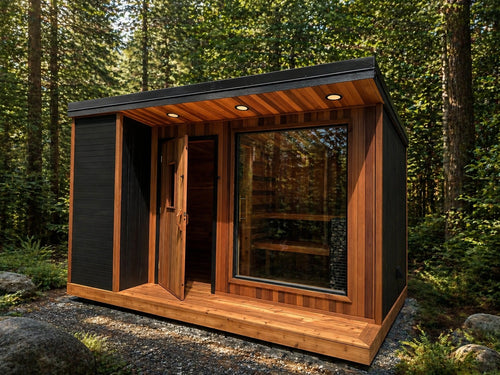
The Cold Creek Luxury Outdoor Cedar Sauna offers another handcrafted outdoor option for creating a permanent sauna space outside the home. It works especially well for the outdoor side of this comparison, where available yard space can open up possibilities that may be harder to accommodate indoors.
Loowit Outdoor Sauna
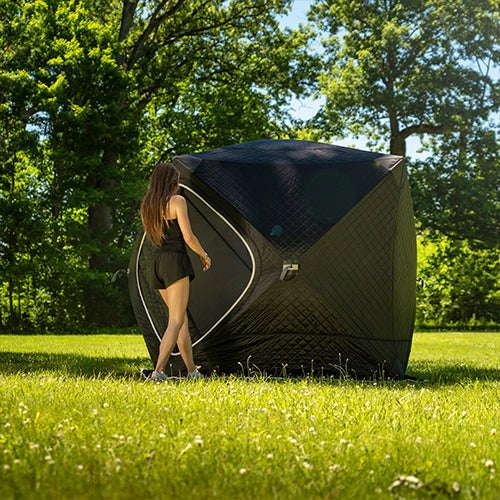
The Loowit Outdoor Sauna gives homeowners another way to move their sauna setup beyond the walls of the house. Its outdoor placement keeps interior floor space available while creating a separate destination for sauna sessions at home.
Shop Indoor and Outdoor Saunas From NW Immersion
Once you know where your sauna belongs, NW Immersion makes it easy to find a model built for that space. Explore all our saunas for sale for home gyms, garages, basements, and wellness rooms, or specifically browse outdoor saunas designed to create a dedicated retreat beyond the walls of your home.
Our collection includes handcrafted cedar saunas built in Washington alongside carefully selected models for different spaces and heating preferences. Contact our team at (360) 360-6968 or email info@nwimmersion.com for help finding the right fit for your home!


