










Cold Plunge vs Sauna: Benefits, Differences, and How to Choose
Cold plunges and saunas sit on opposite ends of the recovery spectrum. One surrounds the body with heat until the muscles loosen and sweat starts to build, while the other drops the body into cold water and asks the nervous system to stay calm under pressure.
That contrast is exactly why people compare them. There are people who want better recovery after training; some want deeper relaxation after long workdays; others are building a full home wellness setup and trying to decide which feature deserves space, budget, and daily use.
Below, we’ll compare how each one works, where each option fits best, and why people eventually use both together.
Cold Plunge vs Sauna: The Main Difference
A cold plunge and a sauna create opposite physical responses. Here’s how they work individually:
How sauna works
Saunas work by placing the body in a heated environment for several minutes at a time. As the room warms the skin, the body starts working to regulate temperature. Heart rate rises, blood vessels widen, and sweat begins to form.
The stress is real, but it usually builds slowly. That is part of what makes the experience feel calming instead of jarring. You sit down, settle in, breathe through the warmth, and let the session unfold.
For many users, a sauna session feels like a gradual loosening: muscles feel warmer, joints may feel less stiff, and breathing becomes slower once the body adjusts to the heat.
How cold plunge works
A cold plunge works very differently. The cold does not creep in politely. It arrives all at once. When the body enters cold water, the nervous system reacts quickly, e.g., breathing may sharpen, the skin tightens, blood vessels constrict, etc. The first few seconds can feel like a negotiation between instinct and composure.
That immediate intensity is one of the reasons cold plunging appeals to so many people. It compresses the experience into a short window. Instead of slowly building heat tolerance, you practice staying steady while the body receives a sudden cold signal.
Cold plunge sessions are usually much shorter than sauna sessions. Beginners may start with brief exposures, sometimes under a minute, while more experienced users may stay in longer depending on water temperature, comfort, and safety.
Is a Cold Plunge or Sauna Better for Your Goals?
A cold plunge is usually better for quick alertness and short recovery resets. A sauna is usually better for relaxation, sweating, and longer recovery sessions. The better choice depends on what you want the routine to do once it becomes part of your week.
For relaxation and stress relief: sauna ✅
A sauna is usually the better choice for relaxation and stress relief.
Heat gives the body permission to slow down. The warmth encourages muscles to soften, breathing to settle, and attention to move away from the usual noise of the day. The session has a natural pace to it. You do not have to conquer it in the first ten seconds.
Cold plunging can feel rewarding afterward, but the experience itself is usually more intense than soothing. Some users do find cold exposure meditative because it demands focus, but that calm is earned through discomfort.
For people who want an evening decompression ritual, the sauna is the easier fit. It creates a quiet pocket of time where the body can loosen without needing to brace against shock.
For soreness and muscle recovery: both
Both can support recovery, but they do it differently.
A sauna may help sore muscles feel warmer, looser, and less guarded. After a long workout, physical workday, or outdoor activity, heat can make the body feel more pliable. The recovery effect is gradual and comfortable.
A cold plunge may help with the perception of muscle soreness after intense exercise. The cold can create a numbing effect, reduce the feeling of heat in tired tissues, and give the body a strong post-training reset.
The best choice depends on the kind of recovery someone wants. For comfort and loosening, sauna has the advantage. For a sharper post-workout reset, the cold plunge may feel more effective.
There is one important nuance: people focused on strength training and muscle growth may want to be thoughtful about plunging immediately after lifting. Cold exposure right after certain workouts may not be ideal for every training goal, so timing matters.
For energy and alertness: cold plunge ✅
A cold plunge usually wins for energy and alertness.
Cold water has a way of cutting through mental fog. The first contact wakes the body quickly, and the need to control breathing pulls attention into the present. For morning routines, that can be the whole point.
A sauna can still leave someone feeling refreshed, especially after cooling down. But the main sensation is usually slower. It warms, relaxes, and unwinds. That can be energizing in its own way, but it rarely has the same immediate snap as cold water.
For people who want a quick jolt before the day starts, cold plunge is the cleaner match. For people who want to recover after the day has already taken a few bites out of them, sauna often feels more natural.
For sleep and evening routines: sauna ✅
A sauna usually fits better into an evening routine.
Many people use sauna sessions as part of a wind-down ritual. The body heats up during the session, then cools afterward. That post-sauna cooldown can feel calming, especially when paired with hydration, quiet, and a slower pace before bed.
Cold plunging at night can be trickier. Some users tolerate it well, but others find it too stimulating. The same sharpness that makes a plunge useful in the morning can feel inconvenient when the goal is sleep.
That does not mean cold plunges are off-limits in the evening. It simply means users should pay attention to how their body responds. If cold exposure leaves someone wired, it may belong earlier in the day.
For mental discipline: cold plunge ✅
A cold plunge has a clear edge for mental discipline.
Cold exposure creates an immediate test. The body wants to tense up. The breath wants to rush. The mind wants a very convincing reason to leave the water. Staying calm in that moment takes practice.
That is part of the appeal. A short cold plunge can feel like a controlled confrontation with discomfort. The goal is not to suffer for the sake of suffering. The goal is to stay composed while the body receives a strong signal.
A sauna can also build discipline through consistency and heat tolerance, but it rarely feels as confrontational. Its challenge arrives more slowly. Cold plunge asks for composure right at the door.
For sweating and heat exposure: sauna ✅
A sauna is the no-brainer choice for sweating and heat exposure.
Cold plunges do not replace sweat sessions. They serve a completely different purpose. If the goal is to sit in heat, raise body temperature, and sweat through a controlled session, the sauna is the correct tool.
That matters for people who enjoy the traditional sauna experience. The heat, the wood, the quiet, the gradual build of sweat, and the cooling period afterward all belong to the sauna ritual.
A cold plunge can complement that ritual beautifully, but it cannot recreate it.
For circulation and temperature contrast: both
Both are useful when the goal is contrast.
Heat and cold create opposite vascular responses. Heat generally encourages blood vessels near the skin to widen as the body works to release warmth. Cold encourages blood vessels to narrow as the body protects core temperature.
Moving between a sauna and a cold plunge creates a strong temperature contrast. That contrast is one of the reasons the combination feels so invigorating. The body moves through warmth, cold, and rest, with each stage making the next feel more noticeable.
This is also why many people stop thinking in terms of cold plunge vs sauna once they experience both. The better question becomes how to use heat and cold together safely and consistently.
For home wellness spaces: both
A sauna often becomes the anchor of a home wellness space. A cold plunge works beautifully as the companion piece.
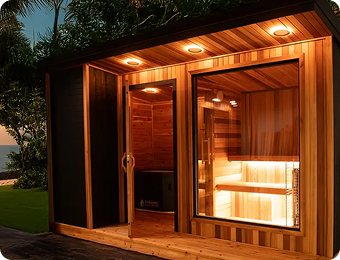
The sauna creates the environment: a dedicated room or outdoor structure where people can sit, recover, talk, rest, and return regularly. It changes the feel of a backyard, garage, patio, or indoor wellness area because it gives the routine a place to happen.
A cold plunge is usually more compact, but it brings intensity. It turns the setup into a full heat-and-cold experience. Used together, the sauna provides the slow burn, and the plunge provides the clean finish.
For homeowners planning a long-term wellness space, the decision often comes down to use habits. If someone wants longer sessions and a more complete retreat, the sauna may come first. If someone wants a short daily challenge, the cold plunge may feel more practical. If the goal is full contrast therapy, both belong in the conversation.
Sauna vs Cold Plunge Benefits Compared
Saunas and cold plunges offer different wellness benefits because they place the body under different types of controlled stress. A sauna relies on heat, sweat, and gradual relaxation. A cold plunge relies on cold exposure, nervous-system activation, and short-duration intensity.

Sauna benefits
Sauna benefits tend to build through heat, time, and consistency. The body warms gradually, sweat begins to form, and the session creates a quiet window for physical and mental recovery.
People use saunas because the benefits are easy to feel even before getting technical about them. The body loosens, the room slows down, the heat makes it harder to keep dragging the day around by its collar, and so on.
Common sauna benefits include:
-
Relaxation and stress relief
-
Sweating and heat exposure
-
Temporary muscle loosening
-
A calmer post-workout recovery routine
-
A warm, quiet space for decompression
-
A more comfortable wind-down ritual in the evening
Cold plunge benefits
Cold plunge benefits tend to feel more immediate. The body enters cold water, reacts quickly, and then settles once the breath comes under control. That fast shift is part of what makes cold plunging feel so distinct.
A cold plunge can feel especially useful when someone wants a short reset rather than a long session. The cold asks for focus right away. There is very little room for mental wandering when the water hits the skin.
Common cold plunge benefits include:
-
Increased alertness
-
Short recovery resets
-
Cold tolerance
-
Mental discipline
-
Reduced perception of soreness for some users
-
A strong finishing contrast after sauna heat
Where sauna benefits are stronger
Sauna benefits are strongest when the goal involves warmth, relaxation, sweating, and longer recovery sessions. The sauna gives the body room to settle instead of forcing an instant reaction.
That makes it especially useful for people who want a wellness habit that feels sustainable. A sauna session can become part of a slow morning, a post-workout recovery block, or an evening routine after work. It can be used alone or socially. It can be quiet or conversational. The experience has enough flexibility to fit different moods.
Saunas also have an advantage when comfort matters. Sitting in a warm cedar sauna feels more inviting to many beginners than lowering into cold water. The body still works under heat, but the sensation tends to feel less confrontational.
Where cold plunge benefits are stronger
Cold plunge benefits are strongest when the goal involves alertness, fast recovery, and mental resilience. The plunge is direct. It does not need much ceremony to make its presence known.
This makes cold plunging appealing for morning routines, athletic recovery habits, and people who like a sharper physical challenge. The effect is concentrated. Step in, control the breath, stay steady, step out.
A cold plunge also works well for people who want a recovery tool that does not require a long session. That short time commitment can be a real advantage. Someone may not have 20 minutes for a full sauna session, but they may have time for a brief cold exposure.
READ NEXT: Science-Back Benefits of Cold Plunges for Women
Cold Plunge vs Sauna Safety Considerations
Both cold plunges and saunas create deliberate physical stress. Many healthy users tolerate them well, but people with heart conditions, high blood pressure, pregnancy, fainting history, or other medical risks should speak with a healthcare professional before starting either practice.

Sauna safety considerations
Sauna use may feel relaxing, but the body is still working hard under heat. Staying too long, using temperatures that are too high, or entering the sauna dehydrated can turn a good session into a risky one.
Common sauna safety concerns include:
-
Overheating
-
Dehydration
-
Dizziness or lightheadedness
-
Staying in the sauna too long
-
Using alcohol before or during a session
The simplest rule is to leave before the body has to argue with you. A sauna should feel warm, challenging, and controlled. It should not feel like something you have to endure past clear warning signs.
Cooling down after a session also helps. Sit, breathe, hydrate, and give the body time to normalize before driving, exercising, or moving into another intense exposure.
Cold plunge safety considerations
Cold plunging creates a sharper physical response than sauna use. The first contact with cold water can trigger a gasp reflex, rapid breathing, and a strong cardiovascular response.
That is why beginners should avoid extreme cold at the start. A controlled plunge at a manageable temperature is better than chasing the coldest possible water for bragging rights. The body needs time to learn the stress.
Breathing is the center of the cold plunge experience. If breathing feels completely out of control, the exposure may be too intense. Shorter sessions and slightly warmer water can still be effective while giving the nervous system room to adapt.
Cold plunge users should also avoid staying in until numbness takes over. Numb does not mean stronger. It can mean the body is losing its ability to give useful feedback.
Who should be more cautious
Some people should get medical guidance before using a sauna, cold plunge, or contrast therapy routine. This is especially important because heat and cold both affect circulation, heart rate, and blood pressure.
Extra caution is wise for:
-
People with heart disease or arrhythmia
-
People with uncontrolled high or low blood pressure
-
Pregnant users
-
People with a history of fainting
-
People with seizure disorders
-
Anyone taking medications that affect circulation, blood pressure, or temperature regulation
-
Anyone recovering from surgery, illness, or a major medical event
IMPORTANT: This article is informational and should not replace medical advice. Heat and cold therapy can be powerful, but personal health history matters.
Signs you should stop
The body gives signals when a session needs to end. Pay attention early instead of waiting for symptoms to get louder. STOP the session if you experience:
-
Chest pain
-
Severe dizziness
-
Confusion
-
Feeling faint
-
Shortness of breath that does not settle
-
Numbness that feels unsafe or does not resolve
-
Disorientation after leaving the sauna or plunge
A safe routine should leave you feeling recovered, not wrecked. Stepping out early is a smart decision when the body sends the message.
If you’re planning a sauna, cold plunge, or full contrast therapy setup at home, NW Immersion Co can help you choose a build that fits your space, routine, and long-term wellness goals. Reach out to our team for a consultation and we’ll help you start shaping a heat-and-cold therapy space you’ll actually want to use.


