









Sauna for Sleep: Can Sauna Help You Sleep Better?
Sauna may support better sleep, particularly when used as part of an evening routine, but research directly testing sauna as a sleep intervention is still limited. Studies of passive body heating provide stronger evidence that warming the body before bed can help people fall asleep faster and may improve sleep quality.
The connection makes sense physiologically. Body temperature follows a daily rhythm and normally declines as bedtime approaches. Heating the body beforehand increases blood flow to the skin, which can help the body release heat afterward. That cooling period appears to be part of the relationship between evening heat exposure and sleep.
So, what does the research actually tell us about using a sauna for sleep, when is the best time to sauna before bed, and how can you make it part of your evening without turning relaxation into another complicated routine?
Sauna for Sleep: Does Sauna Help You Sleep Better?
The evidence is encouraging, but there is an important distinction to make. People who use saunas often report better sleep, while the stronger controlled evidence comes from broader research on passive body heating, particularly warm baths and showers.
That means sauna is reasonable to explore as part of a healthy sleep routine, but it shouldn't be presented as a proven treatment for insomnia or other sleep disorders.
What sauna research tells us about sleep
A 2022 population study in northern Sweden included 971 adults who answered questions about sauna use. Sauna bathers reported more satisfying sleep patterns, along with higher levels of happiness and energy and better self-rated general and mental health.
While that's interesting, it doesn't prove sauna caused those differences. Sauna users in the study also tended to have healthier lifestyles, and the researchers were examining associations rather than assigning people to sauna and non-sauna groups.
More recent research has similarly found perceived sleep benefits among sauna users. A 2026 descriptive study reported better perceived sleep quality following sauna bathing among women in its sample, but the researchers called for prospective studies to confirm the self-reported findings.
So far, the evidence supports a possible relationship between sauna use and better perceived sleep, not a guarantee that sauna will improve sleep for everyone.
How heating and cooling may support sleep
The strongest clue comes from research on what happens when we deliberately warm the body before bedtime.
A systematic review and meta-analysis examined 17 studies of warm baths and showers before bed. Heating with water around 104–108.5°F (40–42.5°C) was associated with better self-rated sleep quality and sleep efficiency. When heating occurred one to two hours before bedtime, even exposures as short as 10 minutes were associated with falling asleep faster.
The researchers proposed that warming the skin increases blood flow toward the hands and feet, helping the body release heat afterward. This supports the natural drop in core temperature associated with sleep onset.
A sauna isn't a warm bath, so those exact temperatures and protocols should not be copied over as sauna instructions. What the research gives us is a plausible explanation for why an evening heat session followed by a cooling period may work well with the body's normal preparation for sleep.
Can sauna help with deep sleep?
There's some evidence that passive heating may influence deeper stages of sleep, but this is one area where it's particularly important not to overpromise.
In a small study of nine older women with insomnia, taking a hot bath about 90 minutes before bedtime improved sleep continuity, with a trend toward increased slow-wave sleep. Participants also reported deeper and more restful sleep.
That's useful evidence for the broader idea of pre-sleep heating, but it was a hot-bath study with only nine participants. For now, it's more accurate to say that evening heating may support conditions favorable to sleep than to claim that sauna has been proven to increase deep sleep.
Best Time to Sauna for Sleep
If sleep is your priority, evening sauna use followed by enough time to cool down before bed is a sensible starting point.
There isn't enough sauna-specific research to name one scientifically proven time. However, the strongest evidence from passive-heating research points toward finishing heat exposure roughly one to two hours before bedtime.

How long before bed should you sauna?
Try planning your sauna session so you finish about one to two hours before you intend to sleep.
That window comes from the meta-analysis of warm baths and showers, where heating one to two hours before bedtime was associated with shorter sleep-onset time. It should therefore be viewed as a practical starting point for sauna use.
Your own response matters too. If you're still noticeably hot when you climb into bed, an earlier session may suit you better.
Cooling down afterwards
Cooling afterward isn't simply the end of the sauna session. It may be part of what makes evening heating compatible with sleep.
Your body naturally moves toward greater heat loss around bedtime. Passive heating can increase blood flow near the skin, helping facilitate heat dissipation afterward. The resulting decline in core temperature is one mechanism researchers have proposed for the sleep benefits observed after pre-bed heating.
You don't need to force that cooling process with extreme cold. Simply leaving the sauna and allowing yourself to return to a comfortable temperature gives your body time to regulate itself.
What if you sauna right before bed?
Using a sauna immediately before getting into bed isn't necessarily harmful for a healthy person accustomed to sauna bathing, but it may not be ideal if you're still hot or uncomfortable afterward.
The research doesn't establish a precise cutoff. Since passive-heating studies have found favorable results when heating is separated from bedtime by a cooling period, leaving some time between your sauna and sleep is a reasonable approach.
If a late session consistently leaves you wide awake, overheated, or thirsty, move it earlier.
How to Use a Sauna Before Bed
You don't need an elaborate nighttime sauna protocol. A comfortable session followed by cooling, rehydration, and a quiet transition toward bedtime is enough to experiment with how evening sauna fits your sleep routine.
Keep your evening session comfortable
More heat isn't automatically better for sleep.
Traditional Finnish sauna research commonly involves high temperatures, but that doesn't mean you need to chase the hottest temperature or longest session you can tolerate. Reviews of sauna safety emphasize sensible exposure and avoiding extremes.
If you become dizzy, faint, nauseated, confused, or otherwise unwell, leave the sauna and cool down. Excessive heat exposure can contribute to dehydration, low blood pressure, fainting, and heat illness.
Give yourself time to cool down
Once you're finished, let your body return toward a comfortable temperature before getting into bed.
This doesn't require an ice bath or cold shower. For a sleep-focused routine, there's no established evidence that an abrupt cold exposure is necessary to produce the temperature changes associated with sleep after passive heating.
A normal cool-down period also gives you a useful signal: if you're still uncomfortably warm at bedtime, try finishing your next sauna session earlier.
Rehydrate after your sauna
Sauna makes you sweat, so replace the fluid you've lost afterward.
You don't need to turn this into a complicated hydration protocol. Drink enough to address your thirst and fluid loss, especially after a longer or hotter session. Dehydration can contribute to dizziness and low blood pressure, neither of which belongs in a relaxing bedtime routine.
Avoid pairing sauna with alcohol. Reviews of sauna safety have specifically identified alcohol use as a factor that can increase the risks of low blood pressure, abnormal heart rhythms, and serious adverse events.
Adjust the routine to how you sleep
Try your evening sauna routine consistently enough to notice how you respond.
If you feel relaxed afterward and find yourself falling asleep comfortably, the timing may suit you. If you regularly feel too warm or alert when bedtime arrives, shift your sauna earlier.
Sauna is generally well tolerated by healthy adults when used sensibly, but people with unstable cardiovascular conditions or other health concerns affected by heat should seek individualized medical guidance before using it. Reviews specifically identify conditions such as unstable angina, recent myocardial infarction, and severe aortic stenosis as contraindications to sauna bathing.
Sauna for Better Sleep: What Else Matters?
Sauna can become a relaxing signal that the active part of your day is winding down, but it can't compensate for everything else affecting your sleep.

A few fundamentals still deserve attention:
- Keep your bedroom comfortable. If you're still overheated after sauna, give yourself more time to cool before getting into bed.
- Maintain a consistent sleep schedule. Regular sleep and wake times help support the body's natural sleep-wake rhythm.
- Be mindful of caffeine and alcohol. A sauna session doesn't erase their potential effects on sleep.
- Treat sauna as part of your routine, not a treatment for a sleep disorder. Persistent insomnia, excessive daytime sleepiness, frequent nighttime waking, loud snoring and breathing interruptions, etc. deserve proper evaluation.
There's also value in the routine itself. Finnish survey research has long found that people perceive sauna, bathing, exercise, reading, music, and a quiet sleep environment as factors that can support sleep. That doesn't prove each one independently improves sleep, but it reinforces the idea that sleep is shaped by the whole evening environment as opposed to one isolated habit.
Make Sauna Part of Your Evening Wind-Down With NW Immersion
A trip to a gym or spa isn't always convenient an hour or two before bed. Having a sauna at home gives you more control over when you use it, how long you stay in, and how naturally the session fits into the rest of your evening.
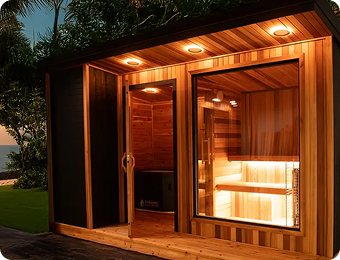
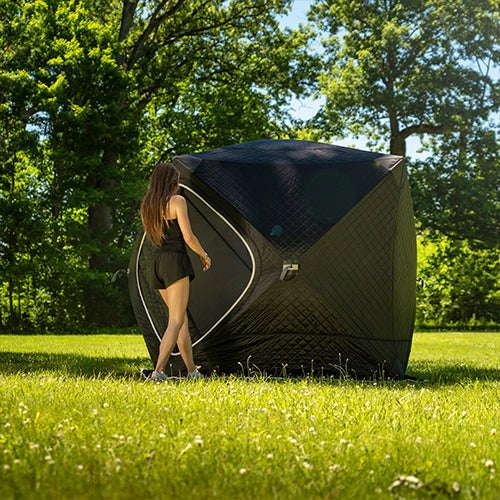
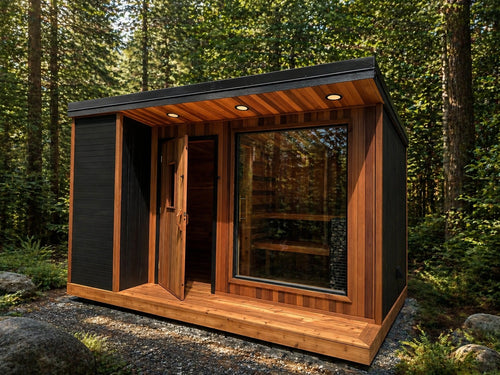
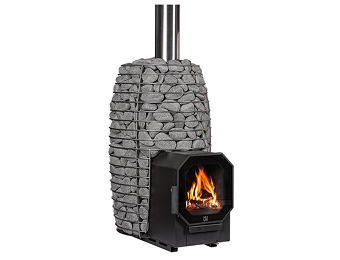
NW Immersion offers saunas for sale for indoor and outdoor home setups, including infrared and traditional options. Our Signature Saunas are handcrafted for homeowners who want a dedicated sauna to become part of life at home, including those quiet evening sessions when the day is winding down.


