









What Is Contrast Therapy? Benefits, Risks, and How It Works
Contrast therapy has become one of the fastest-growing wellness practices in recent years. More homeowners are creating dedicated spaces with a sauna and cold plunge just steps apart. But the growing interest has also brought plenty of conflicting advice, making it difficult to separate established science from bold marketing claims.
Contrast therapy at its core is remarkably simple. It involves alternating between heat and cold exposure, prompting the body to respond to rapid temperature changes. Researchers continue to study exactly how these responses affect recovery and overall health, but several physiological effects are already well understood.
This guide explains what contrast therapy is, how it works inside the body, what current research says about its potential benefits, who should approach it cautiously, and how to practice it safely at home.
What Is Contrast Therapy?
Contrast therapy, sometimes called hot and cold therapy or contrast bathing, is the practice of alternating between heat exposure and cold exposure over the course of a single session. Heat is commonly provided by a traditional sauna, infrared sauna, steam room, or hot tub, while cold exposure typically comes from a cold plunge, ice bath, or cold shower.
The basic idea is straightforward:
-
You spend time warming your body
-
transition into cold water or another cold environment for a shorter period
-
repeat the cycle if desired.
Some people complete a single round, while others perform multiple rounds depending on their goals, experience, and tolerance.
Although contrast therapy has become closely associated with modern recovery centers and luxury home wellness spaces, the concept itself is far from new.
Finnish sauna culture has long included cooling off in lakes or rolling in snow after a sauna session. Similar traditions appear in other parts of the world, where alternating temperatures have been incorporated into bathing rituals for generations.
It's also important to understand that there isn't a single "correct" version of contrast therapy. The equipment, temperatures, and timing vary considerably, and research reflects that diversity. Studies often examine different combinations of heat and cold, which helps explain why recommendations can differ between experts.
How Does Contrast Therapy Work?
Contrast therapy works by exposing your body to alternating periods of heat and cold. Each temperature triggers a different physiological response as your body works to maintain a stable internal temperature.
While researchers continue studying the long-term effects of repeated heat and cold exposure, these immediate responses are well understood.
Heat causes blood vessels to widen
Heat exposure causes vasodilation, where blood vessels near the skin widen to release excess body heat. Blood flow to the skin increases, sweating begins, and heart rate rises as the body cools itself.
Heat also activates cellular stress responses, including the production of heat shock proteins, which researchers believe may play a role in how the body adapts to repeated sauna use.
Cold causes blood vessels to narrow
Cold exposure has the opposite effect. It triggers vasoconstriction, narrowing blood vessels near the skin to reduce heat loss and direct blood toward the body's core. Cold also activates the sympathetic nervous system, increasing alertness and temporarily reducing the perception of muscle soreness by slowing nerve conduction.
The body continuously adapts
The defining feature of contrast therapy is the transition between heat and cold. Each change prompts rapid adjustments in blood flow, heart rate, and temperature regulation as the body adapts to its environment.
Researchers believe these repeated responses may contribute to the recovery benefits associated with contrast therapy, although studies continue to examine which effects result from alternating temperatures versus heat or cold exposure alone.
The Different Ways People Practice Contrast Therapy
Most people picture a traditional sauna followed by an ice bath, but that's only one approach. Contrast therapy can take several forms depending on the equipment available and individual preferences.
Traditional sauna and cold plunge
This is the setup many people associate with modern contrast therapy. A traditional sauna heats the air to high temperatures, warming the body through dry heat before the user transitions into a dedicated cold plunge or ice bath.
Many home wellness spaces are designed around this pairing because it allows users to move easily between consistent heat and consistently chilled water.
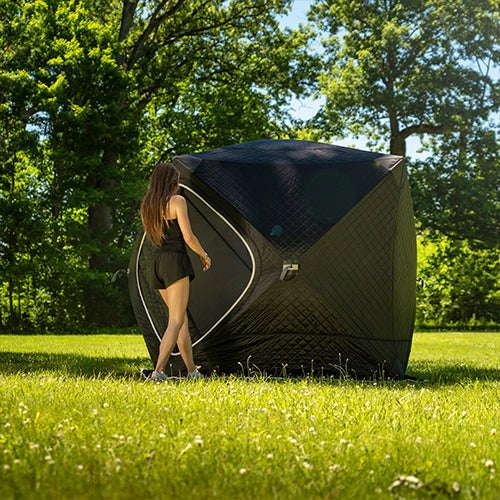
Infrared sauna and cold plunge
Infrared saunas warm the body differently than traditional saunas. Instead of primarily heating the surrounding air, infrared heaters emit light that directly warms the body at lower ambient temperatures.
Many people still combine an infrared sauna with a cold plunge. While the heat exposure differs, the overall principle of alternating between warm and cold remains the same.
Steam room and cold shower
Not every contrast therapy session requires specialized equipment. Some gyms, spas, and hotels pair a steam room with a nearby cold shower, allowing users to alternate temperatures without a dedicated plunge pool.
This option generally provides a milder cold stimulus than an ice bath but still introduces a noticeable temperature contrast.
Hot tub and cold plunge
Some people alternate between a hot tub and a cold plunge instead of using a sauna. While the source of heat changes from hot air to warm water, the body still experiences repeated shifts between hot and cold environments.
Contrast showers
Contrast showers involve switching between warm and cold water during a single shower. They're often the most accessible option because they require no additional equipment beyond a standard household shower.
The temperature difference may be less dramatic than a sauna paired with a cold plunge, but contrast showers remain a practical introduction for beginners who want to experiment before investing in dedicated wellness equipment.
What Are the Benefits of Contrast Therapy?

People practice contrast therapy for many reasons. Some hope to recover faster after exercise, others use it to unwind after a long day. Research has explored several of these outcomes, but the strength of the evidence varies. Some benefits are supported by multiple studies, while others remain areas of active investigation.
Research-backed contrast therapy benefits include the following:
1. Help reduce post-exercise muscle soreness
One of the best-studied applications of contrast therapy is reducing delayed onset muscle soreness (DOMS), the stiffness and tenderness that often develop 24 to 72 hours after unfamiliar or intense exercise.
Researchers believe alternating heat and cold may help manage soreness by influencing blood flow, tissue temperature, and the body's response to exercise-induced stress. Several studies and systematic reviews have found that contrast water therapy can reduce perceived muscle soreness compared with passive recovery, particularly during the first few days after strenuous activity.
That doesn't mean every athlete experiences the same results. The effectiveness appears to depend on factors such as exercise type, water temperature, session duration, and the recovery protocol being used. Even so, muscle soreness remains one of the areas where contrast therapy has the strongest scientific support.
2. Support recovery between training sessions
Athletes face a simple challenge: recovering well enough to perform again the next day.
Contrast therapy has become a common recovery strategy in professional sports because it may help athletes feel more prepared for subsequent training sessions, particularly during tournaments or periods with limited recovery time.
Research suggests contrast therapy may improve perceived recovery and reduce feelings of fatigue after demanding exercise. Some studies have also reported modest improvements in recovery-related performance measures, although the findings aren't always consistent across different sports or training programs.
Many professional teams include hot and cold exposure as one part of a broader recovery plan that also includes nutrition, hydration, sleep, mobility work, and appropriate training loads. Contrast therapy isn't intended to replace these fundamentals, but it may complement them for some individuals.
3. Produce immediate circulatory responses
You'll often hear that contrast therapy "improves circulation." While that statement is common, it's helpful to understand what researchers actually know.
Heat exposure increases blood flow toward the skin through vasodilation, while cold exposure reduces skin blood flow through vasoconstriction. Alternating between the two creates repeated shifts in how blood is distributed throughout the body as it works to regulate temperature.
These circulatory adjustments are well established physiological responses. What remains less certain is whether repeatedly inducing these short-term changes produces lasting improvements in cardiovascular health for otherwise healthy individuals.
Current evidence supports the body's immediate response to changing temperatures. Claims about permanent improvements in circulation require more research.
4. Promote relaxation and improve mood
Many people describe contrast therapy as both invigorating and calming, a combination that seems contradictory until you experience it yourself.
Heat exposure encourages relaxation for many individuals, while cold exposure often produces a brief surge in alertness. After the session ends, people frequently report feeling refreshed, mentally clear, or deeply relaxed.
Researchers have explored how sauna bathing and cold-water immersion individually influence mood, stress perception, and overall well-being. While the exact mechanisms are still being studied, several factors may contribute, including changes in nervous system activity, endorphin release, and the body's response to controlled physical stress.
These effects are largely subjective and can vary widely from person to person. They also shouldn't be interpreted as treatments for anxiety, depression, or other mental health conditions without appropriate medical guidance.
5. Increase heat and cold tolerance
The human body adapts remarkably well to repeated environmental challenges.
Regular sauna users often become more comfortable with higher temperatures over time, while people who practice cold-water immersion frequently report that cold exposure becomes more manageable after several weeks of consistent practice.
These adaptations reflect the body's ability to improve thermoregulation and become more accustomed to environmental stressors. Athletes sometimes use heat or cold acclimation as part of their training, although those programs typically follow carefully controlled protocols.
For recreational users, the practical benefit is often simple: sessions gradually become more comfortable as experience grows.
6. Encourage consistency with healthy recovery habits
One benefit that's difficult to measure in clinical trials is consistency.
Many people find that building a dedicated recovery routine encourages other healthy behaviors, including regular exercise, better sleep habits, hydration, and taking time to recover after physically demanding days.
Contrast therapy itself isn't responsible for all of these outcomes. Instead, it often becomes part of a broader wellness routine that supports long-term health.
This distinction matters because wellness habits rarely exist in isolation. The benefits people experience may reflect the combined effects of multiple healthy lifestyle choices rather than any single practice.
Contrast Therapy Risks: Dos and Don'ts
Contrast therapy is generally considered safe for healthy individuals when practiced responsibly, but it isn't appropriate for everyone. Rapid temperature changes place temporary demands on the cardiovascular system, making it important to understand both personal limitations and appropriate safety precautions.
Contrast therapy isn't appropriate for everyone
Certain medical conditions warrant extra caution because heat and cold exposure affect heart rate, blood pressure, and circulation. You should speak with a healthcare provider before beginning contrast therapy if you have:
-
Cardiovascular disease
-
Uncontrolled high blood pressure
-
A history of heart attack or stroke
-
Raynaud's disease or severe circulation disorders
-
Peripheral neuropathy that reduces temperature sensation
-
Epilepsy or seizure disorders
-
Pregnancy
-
Recent surgery or significant injuries
-
Any medical condition for which heat or cold exposure has been discouraged
Children, older adults with significant health concerns, and anyone taking medications that affect temperature regulation should also seek medical advice before participating.
Avoid extreme temperatures and excessive session lengths
More isn't always better.
Very hot saunas, prolonged cold immersion, or repeated cycles without adequate rest can increase the likelihood of dehydration, overheating, excessive cooling, or cardiovascular strain. Beginners should start conservatively and gradually build experience over multiple sessions rather than attempting advanced protocols immediately.
Hydration is equally important. Sweating during heat exposure increases fluid loss, making it important to drink water before and after the session.
Learn when to end the session
Contrast therapy should feel challenging, NOT overwhelming. Stop immediately and seek medical attention if you experience:
-
Chest pain
-
Difficulty breathing
-
Fainting or loss of consciousness
-
Severe dizziness
-
Confusion
-
Irregular heartbeat
-
Persistent numbness or severe pain
Less serious signs, such as feeling unusually fatigued or struggling to tolerate the temperatures, are also good reasons to end the session early.
Listening to your body is one of the most important parts of practicing contrast therapy safely.
Alcohol and contrast therapy don't mix
Alcohol increases the risk of dehydration, impairs judgment, and can interfere with the body's ability to regulate temperature effectively.
Using a sauna or cold plunge after drinking significantly increases the potential for accidents and medical complications. For that reason, contrast therapy should always be practiced while sober and fully alert.
How to Do Contrast Therapy Safely
There isn't a single protocol that works for everyone. The temperatures, timing, and number of rounds often depend on the equipment you're using, your experience level, and your comfort with heat and cold exposure.
If you're just getting started, simplicity is your friend. A single round using moderate temperatures is enough to become familiar with how your body responds. As your experience grows, you can gradually adjust your routine if desired.
Step 1: Begin with heat
Most contrast therapy sessions start with heat exposure.
If you're using a traditional sauna, sessions commonly last between 10 and 20 minutes, depending on the temperature and your tolerance. Infrared sauna sessions are often slightly longer because they operate at lower air temperatures, though you should always follow the manufacturer's recommendations for your specific sauna.
During this portion of the session:
-
Stay hydrated.
-
Leave the sauna if you begin feeling dizzy or unwell.
-
Don't stay inside simply to reach a specific time.
The goal is to warm the body, not push yourself to exhaustion.
Step 2: Transition to cold
After leaving the sauna, move into your chosen form of cold exposure.
This may include:
-
A dedicated cold plunge
-
An ice bath
-
A cold shower
-
Natural cold water, where safe and appropriate
Cold exposure is typically much shorter than the heat portion of the session. Many people begin with 30 seconds to 2 minutes, increasing only as they become more comfortable.
If you're new to cold immersion, controlled breathing can help reduce the initial shock response. Enter the water carefully instead of jumping in, especially if the water is very cold.
Step 3: Repeat if desired
Some people finish after one round. Others alternate between heat and cold two or three times.
There's currently no universal recommendation regarding the ideal number of rounds. Research protocols vary considerably, and many experienced users adjust their routine according to how they feel, how much time they have, or whether they're recovering from strenuous exercise.
For beginners, one complete cycle is often enough.
Step 4: Finish in the way that feels best for you
One of the most common questions about contrast therapy is whether you should end your session with heat or cold.
The answer depends largely on personal preference and your intended outcome.
Some people prefer finishing with cold because they enjoy the alert, energized feeling afterward. Others choose to end with heat because they find it more relaxing, especially in the evening.
At this time, research doesn't clearly establish that one approach is universally superior. Either option can be appropriate as long as the session is performed safely.
How Often Should You Do Contrast Therapy?
Frequency depends on your goals, overall health, and how well your body tolerates heat and cold exposure. Someone training several days each week may use contrast therapy more frequently than someone who simply enjoys it as part of a weekend wellness routine. As a general guideline:
|
Experience Level |
Typical Frequency |
|
Beginners |
1 to 2 sessions per week |
|
Recreational exercisers |
2 to 4 sessions per week |
|
Experienced users |
Several sessions per week, depending on recovery needs |
These aren't strict rules. Some people incorporate sauna use almost daily while limiting cold plunges, while others alternate based on their training schedule.
Pay attention to how you feel after each session. Persistent fatigue, poor sleep, or difficulty recovering may indicate that you're doing too much or exposing yourself to temperatures that are more intense than necessary.
Building a Contrast Therapy Space at Home
Interest in home wellness has grown rapidly over the past several years, and contrast therapy has grown alongside it. Instead of visiting gyms, spas, or recovery centers, many homeowners now create dedicated wellness spaces that fit naturally into their daily routine.
A thoughtful setup doesn't need to be elaborate, but a little planning can make the experience safer, more comfortable, and easier to use consistently.
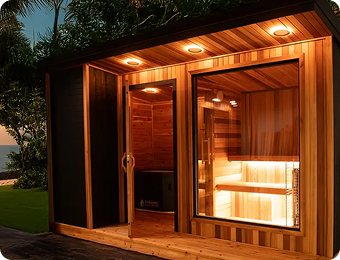
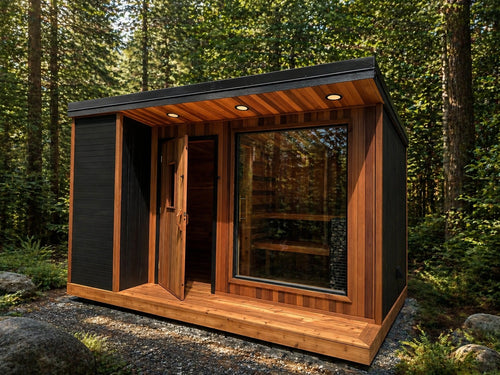
Choose the right sauna
Both traditional and infrared saunas can be used as part of a contrast therapy routine.
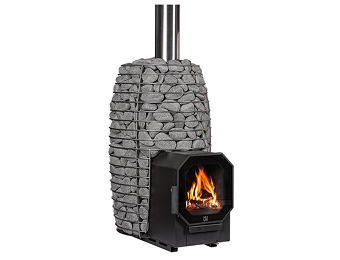
Traditional saunas create high ambient temperatures using a heater and sauna stones, while infrared saunas warm the body through infrared energy at lower air temperatures.
Neither is universally "better." The right choice depends on factors such as your preferred heat, available space, electrical requirements, and personal wellness goals.
Select a cold plunge that fits your lifestyle
Cold exposure can be as simple or as sophisticated as you want it to be.
Some homeowners begin with portable inflatable tubs that can be filled with cold water and ice. Others invest in dedicated cold plunge systems equipped with chillers that maintain a consistent water temperature throughout the year.
The best option is often the one you'll actually use consistently.
Think beyond the equipment
The sauna and cold plunge usually receive the most attention, but the surrounding space deserves just as much consideration.
Planning ahead can improve both safety and convenience. Consider:
-
Slip-resistant flooring
-
Proper drainage
-
Adequate ventilation
-
Convenient towel storage
-
Electrical requirements
-
Comfortable walking paths between the sauna and cold plunge
-
Lighting that suits both daytime and evening use
Small details can have a significant impact on how enjoyable the space feels over time.
Closing Thoughts
Contrast therapy combines two practices that have each been studied extensively: heat exposure and cold exposure. Alternating between the two produces predictable physiological responses as the body works to regulate temperature, and research suggests the approach can help reduce post-exercise muscle soreness while supporting recovery for many active individuals.
At the same time, it's important to keep expectations grounded in the available evidence. No single recovery method can replace regular exercise, quality sleep, good nutrition, or appropriate medical care.
If you're interested in adding contrast therapy to your wellness routine but clueless where to start, our sauna and cold plunge experts at NW Immersion are always happy to help. Contact us today.


