








Basement Saunas
Bring the Sauna Experience Downstairs.
A basement can be an excellent place for a home sauna when the space is properly prepared. Explore traditional, infrared, full-spectrum, and handcrafted models suited for indoor installations, with options for different room sizes, heating preferences, and home wellness setups.
No products found matching your criteria.
Why Shop Basement Saunas for Sale at NW Immersion?
Our collection gives homeowners access to different heating technologies, capacities, and designs rather than limiting a downstairs installation to one type of sauna.
Traditional and Infrared Options
Explore traditional Finnish-style saunas alongside infrared and full-spectrum models, with options ranging from compact individual cabins to larger units designed for several people.
Options for Different Basement Sizes
Basement layouts vary widely. Our collection includes multiple footprints and capacities, making it easier to find a model that works with your available floor area and ceiling height.
Trusted Basement Sauna Brands
Shop indoor models from established manufacturers including Finnmark, Golden Designs, Maxxus, Dynamic, and Leil, alongside handcrafted options from NW Immersion.
Expert Help Before You Buy
Basement installations can raise questions about dimensions, delivery access, heater requirements, and placement. Our team can help you compare models and determine which options make sense for your available space.
Nationwide Shipping
NW Immersion serves homeowners nationwide with premium saunas, knowledgeable product guidance, and premium support with delivery and installation planning.
Why Put a Sauna in Your Basement?
Basements provide the square footage needed for a dedicated home wellness area without taking over a bedroom, backyard, or other frequently used part of the property.
Make use of underutilized space
An unfinished corner, finished recreation area, or spare section of the basement can provide enough room for anything from a compact infrared cabin to a larger traditional sauna.
Keep your sauna indoors
A downstairs location keeps sauna sessions conveniently inside the home and protected from outdoor weather. This can be appealing in regions with cold winters or frequent rain.
Add a sauna to your home gym
Basements frequently double as home gyms, making them a natural location for a sauna. Keeping exercise and heat therapy in the same part of the house can create a convenient setup for workouts, sauna sessions, stretching, and recovery.
Preparing Your Basement for a Sauna
A little site preparation can make installation considerably easier. Pay special attention to existing moisture conditions and the utilities required by your chosen model.
Start with a dry basement
Existing water intrusion, leaks, seepage, or persistent dampness should be addressed before installing a sauna. Starting with a dry, suitable location helps protect both the sauna and the surrounding basement materials.
Choose appropriate flooring
Concrete and tile are commonly suitable surfaces because they tolerate heat and moisture well, although requirements vary between sauna models. The floor should be level and stable, as well as able to meet the installation specs of the unit you choose.
Plan the electrical connection
Determine the sauna's voltage, amperage, circuit, and connection requirements before installation. Any new electrical work should comply with applicable electrical codes and be completed by a qualified electrician.
Account for ventilation and humidity
Plan ventilation according to the sauna manufacturer's specifications and consider how the surrounding basement handles moisture. A traditional sauna produces brief increases in humidity when water is poured over the stones, while a true steam room creates much higher and more sustained humidity.
How to Choose a Sauna for Your Basement
Start with the realities of the room before comparing features. Basement dimensions, access, electrical service, moisture conditions, and heating preference can quickly narrow down which models make sense for your home.
Measure floor space and ceiling height
Measure the usable floor area and vertical clearance carefully, accounting for beams, soffits, ductwork, pipes, and other obstructions common in basements. Remember to include any clearance around the sauna required by the manufacturer.
Check the delivery path
A sauna may fit comfortably in the final room but still be too large to get downstairs. Measure stairways, door openings, landings, hallways, and tight turns before ordering, especially when considering a prebuilt or fully assembled model.
Choose between traditional and infrared heat
Traditional models provide higher air temperatures and allow water to be added to sauna stones. Infrared units operate at lower ambient temperatures and are available in many compact configurations. The experience you prefer should guide this decision alongside installation requirements.
Confirm electrical requirements
Electrical needs vary considerably between models. Some compact infrared units operate on standard 120V power, while larger infrared saunas and traditional electric heaters may require a dedicated 240V circuit. Check the exact specifications before preparing the electrical connection.
Plan for ventilation and moisture
Every sauna should follow its manufacturer's ventilation requirements. Proper airflow is particularly important with traditional models where water is added to hot stones, as this temporarily increases humidity inside the sauna.
Types of Saunas for Your Basement
Basements can accommodate several types of saunas, so your choice largely comes down to the heat you prefer, available space, electrical requirements, and conditions in the room.
Traditional Saunas
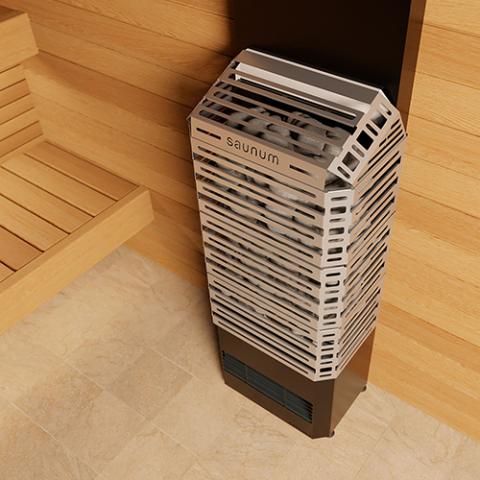
Traditional saunas use an electric heater and sauna stones to heat the room to high temperatures. Water can be poured over the hot stones to create temporary bursts of steam, making these models a good fit for homeowners who prefer the classic Finnish sauna experience.
Infrared Sauna for Basement Use
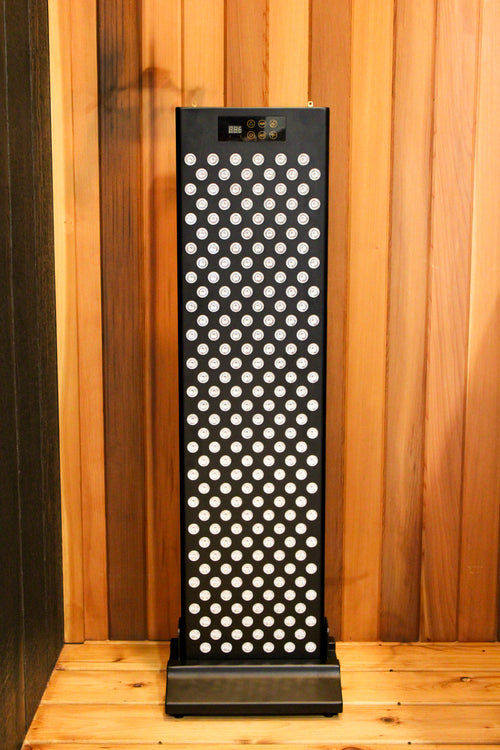
Infrared saunas use infrared heaters to warm the body while operating at lower air temperatures than traditional models. Many come as compact prebuilt cabins and are practical for finished basements, home gyms, and other dedicated wellness areas.
Full-Spectrum Infrared Saunas
Full-spectrum models typically combine near, mid, and far infrared wavelengths within one sauna in the basement. They give you another option when you prefer infrared heating and want multiple infrared wavelength ranges incorporated into a single system.
Low and Near Zero EMF Infrared Saunas
Low and near zero EMF models are engineered to reduce electromagnetic field exposure from electrical components. These terms describe EMF output rather than the infrared wavelength, so individual models may use far infrared or full-spectrum heating technology.
Handcrafted Traditional Saunas
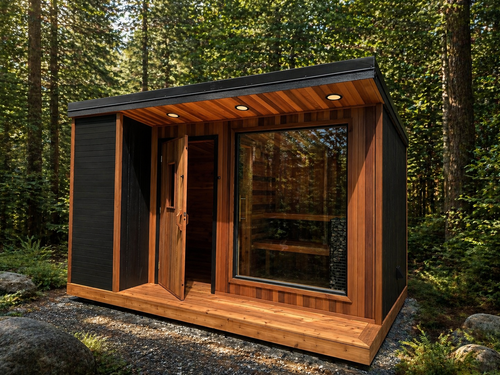
For homeowners looking for substantial residential-quality construction, a handcrafted indoor sauna offers an alternative to conventional panelized units. The NW Immersion Garage Luxury Indoor Sauna, for example, is handcrafted in Washington from Western Red Cedar and may work in suitable basement spaces where dimensions, delivery access, and installation requirements allow
Frequently Asked Questions
What is the best type of sauna for a basement?
The best option depends on your space and preferred sauna experience. Compact infrared models can suit basements with tighter dimensions, while traditional saunas are ideal for when you’re seeking higher temperatures and steam from sauna stones. Electrical capacity, ceiling height, ventilation, and delivery access should also guide your choice.
Can a sauna cause mold in a basement?
A sauna does not inherently cause mold, but persistent moisture and inadequate drying can create conditions that support mold growth. Existing basement moisture problems should be corrected first, and the sauna should have appropriate ventilation so the room and surrounding area can dry properly after use.
Can you put an infrared sauna in a basement?
Yes. Infrared saunas are commonly suitable for basement installations when the room meets the manufacturer's temperature, humidity, clearance, and electrical requirements. Compact prebuilt infrared cabins can be practical where floor space or ceiling height is limited.
Does a basement sauna need waterproofing?
A conventional sauna does not necessarily require the same full waterproofing system as a steam room, but moisture management remains important. Requirements depend on the sauna's construction, flooring, water use, and local codes. True steam rooms require substantially more extensive waterproofing and vapor control.
Can you put a sauna on a concrete basement floor?
Yes. Concrete is generally a practical surface for a sauna because it is stable and moisture resistant. The slab should be level and in good condition, and any flooring or base requirements specified by the sauna manufacturer should still be followed.
Does a basement sauna need ventilation?
Yes. Proper ventilation helps supply fresh air and manage heat and moisture during and after sauna use. The required vent locations and airflow depend on the sauna and heater design, so follow the manufacturer's specifications for the exact model being installed.
How do you build a dry sauna in your basement?
A traditional dry sauna typically requires an insulated enclosure, appropriate vapor control, sauna-safe interior wood, ventilation, benches, and a properly sized electric heater. The basement should be dry and structurally suitable, with electrical work and installation completed in accordance with applicable codes and manufacturer specs.
Can I put a steam sauna in my basement?
Yes, but the term matters. A traditional Finnish sauna produces temporary steam when water is poured over hot stones and can be installed in a suitable basement. A true steam room maintains very high humidity and requires dedicated waterproofing, vapor control, drainage, and ventilation appropriate for that environment.
How do you build a sauna in your basement?
Building a traditional sauna in a basement generally involves framing the room, insulating it, installing appropriate vapor control, finishing the interior with sauna-suitable materials, adding ventilation and benches, and installing a properly sized heater. Electrical and local building requirements should also be addressed during planning.
Can you put a sauna in the basement?
Yes. A basement can be a suitable location for a sauna if it has enough space, appropriate electrical service, adequate ventilation, and suitable moisture conditions. Traditional and infrared models can both work downstairs when installed according to their manufacturer's requirements.